Top Signs It's Time to Replace Your Water Heater
January 24, 2026
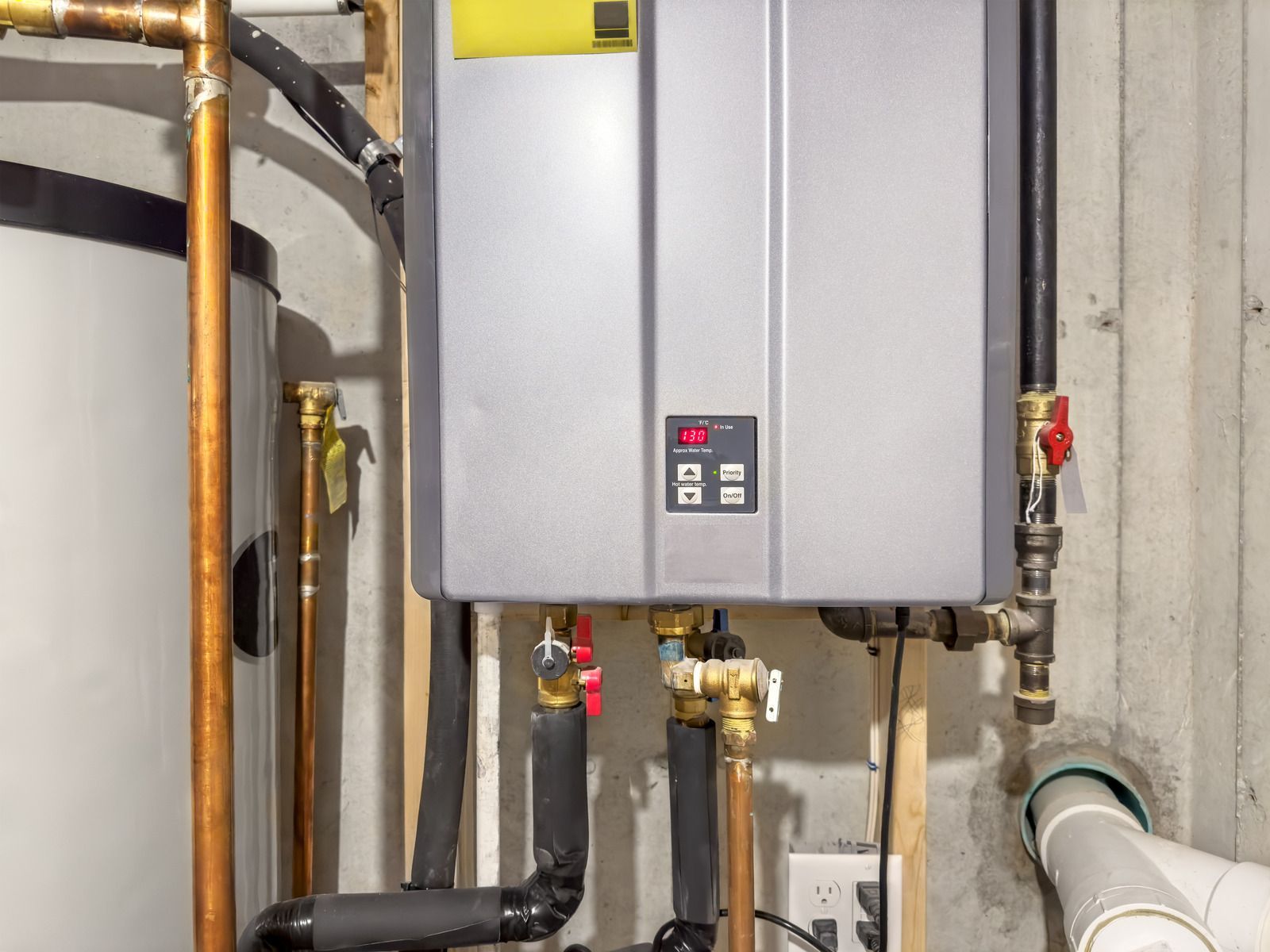
A water heater is one of the most essential appliances in any home, providing the comfort of hot showers, clean dishes, and warm laundry. Despite its critical role, many homeowners often overlook signs of wear and inefficiency until a complete breakdown occurs. Understanding when a water heater needs replacement is crucial for avoiding unexpected disruptions, costly repairs, and potential water damage. With regular use over the years, even the most durable water heaters will show signs of aging, inefficiency, or malfunction. Recognizing these warning signals early can save homeowners time, money, and stress, ensuring uninterrupted access to hot water when it’s needed most.
Water heaters are typically designed to last between 8 and 15 years, depending on the model, usage, and maintenance. However, age alone is not the only indicator that a replacement is necessary. Performance issues, strange noises, visible leaks, or sudden changes in water quality can all signal a failing system. Being aware of these indicators allows homeowners to make informed decisions and plan replacements proactively, rather than reacting to an emergency. In this guide, we will explore the top signs that indicate it’s time to replace your water heater, providing actionable insights and expert advice for maintaining comfort and safety in your home.
1. Age and Lifespan Considerations
Understanding Water Heater Lifespan
Water heaters are engineered for long-term performance, but like any appliance, they have a finite lifespan. Standard tank water heaters typically last 8–12 years, while tankless models may exceed 15–20 years with proper maintenance. Age-related deterioration affects internal components such as the heating element, anode rod, and tank lining. When a water heater surpasses its expected life, the risk of leaks, corrosion, and efficiency loss increases significantly.
The Risks of Delaying Replacement
Ignoring an aging water heater can lead to unexpected failures, which are often inconvenient and expensive to repair. A sudden tank rupture can cause extensive water damage, resulting in costly repairs for flooring, walls, and personal property. Proactively replacing a water heater before it reaches the end of its functional life can prevent these emergencies and maintain consistent hot water availability.
Expert Recommendation
Homeowners should maintain a record of installation dates and conduct annual inspections. If your water heater is approaching or has exceeded its recommended lifespan, it is prudent to consider replacement even if no visible issues are apparent. Early planning ensures a smooth transition to a new, efficient model, reducing stress and safeguarding your home.
2. Leaks and Water Damage
Identifying Visible Leaks
Leaks are one of the most obvious signs of a failing water heater. Inspect the base of your water heater and surrounding area for puddles, rust-colored stains, or moisture accumulation. Even small drips can indicate corrosion within the tank or loose connections. Ignoring minor leaks often leads to larger failures that are more expensive to repair.
Consequences of Water Damage
A leaking water heater can damage flooring, walls, and cabinetry, potentially leading to mold growth. Water damage repairs often exceed the cost of replacing a water heater, making timely intervention critical. Additionally, leaks may compromise the efficiency of the system, causing inconsistent heating and increased energy bills.
Best Practices for Homeowners
Regular visual inspections of your water heater can identify early-stage leaks. Pay attention to subtle signs such as damp flooring, water stains on walls, or unexplained puddles around the tank. Addressing leaks promptly by consulting a professional plumber helps prevent structural damage and ensures the safe operation of your system.
3. Inconsistent or Insufficient Hot Water
Fluctuating Water Temperature
A common indicator that a water heater is failing is inconsistent water temperature. If your showers alternate between scalding and lukewarm, or if hot water runs out more quickly than before, your water heater may be struggling to maintain optimal performance. Sediment buildup, failing heating elements, or a deteriorating tank can all contribute to these inconsistencies.
Reduced Hot Water Supply
When the water heater cannot supply enough hot water for household demands, it’s a clear sign that replacement may be necessary. For larger households, inadequate capacity can impact daily routines, from morning showers to washing dishes or laundry.
Real-World Scenario
Consider a family of four with a 10-year-old water heater. They notice that after two showers, the last person gets only lukewarm water. Despite adjusting settings and flushing the tank, the problem persists. This situation exemplifies a failing water heater that has reached the end of its functional capacity. Upgrading to a modern, energy-efficient model resolves the issue while providing long-term reliability.
4. Strange Noises and Sediment Buildup
Common Water Heater Noises
Popping, rumbling, or hissing sounds are often caused by sediment accumulation at the bottom of the tank. Over time, minerals such as calcium and magnesium settle and create a barrier between the heating element and water. When the element heats trapped water beneath the sediment, it produces noise and reduces efficiency.
Impact on Efficiency and Longevity
Sediment buildup not only generates unpleasant sounds but also increases energy consumption. The heating element works harder to maintain water temperature, driving up utility bills and accelerating wear and tear on the system. Prolonged sediment accumulation can eventually cause overheating and tank failure.
Maintenance and Replacement Considerations
Regular flushing of the tank can mitigate sediment problems, but if the water heater is old and heavily scaled, replacement may be the most effective solution. Modern water heaters feature improved tank linings, corrosion-resistant materials, and energy-efficient designs that minimize future buildup, ensuring quieter operation and consistent hot water.
5. Rusty Water and Corrosion
Identifying Rust in Your Water Supply
Rusty or discolored water is a clear warning that your water heater may be deteriorating from the inside. Inspect both the hot and cold water taps. If only the hot water shows discoloration, the tank is likely corroding. Corrosion often begins in older tanks where the protective anode rod has worn down.
Risks of Corroded Water Heaters
Corrosion weakens the tank, increasing the risk of leaks or catastrophic failure. Drinking or bathing in rusty water can also be unpleasant and may affect plumbing fixtures over time. Additionally, rust accumulation within the tank compromises efficiency and may lead to sediment-related issues.
Preventive Measures and Replacement Strategy
Homeowners should test the anode rod periodically and replace it as needed. However, if rust persists despite maintenance or if the water heater is nearing the end of its lifespan, replacement is recommended. A new water heater ensures clean water, prevents structural damage, and enhances overall home safety.
6. Rising Energy Bills and Reduced Efficiency
Understanding Efficiency Decline
As water heaters age, their efficiency naturally decreases due to corrosion, sediment buildup, and worn components. Older models may consume significantly more energy to heat the same amount of water, leading to higher utility bills. Tankless water heaters can also lose efficiency if mineral deposits restrict water flow or reduce heat transfer.
Financial Implications
A failing water heater can become a hidden drain on household finances. Homeowners may notice a gradual increase in energy costs without changing usage patterns. Replacing an outdated or inefficient water heater with a modern, energy-efficient model can reduce energy consumption, lower bills, and offer long-term savings.
Expert Recommendation
Regular maintenance, including flushing the tank and checking heating elements, helps maintain efficiency. However, if energy bills continue to rise despite proper upkeep, it is a strong signal that a replacement is more cost-effective than ongoing repairs. Choosing an Energy Star-rated water heater ensures optimal performance and compliance with current energy standards.
7. Frequent Repairs and Reliability Issues
Signs of Chronic Problems
If your water heater requires frequent repairs or replacement parts, it may be more economical to invest in a new system. Common issues include malfunctioning thermostats, leaking valves, and failing heating elements. While minor repairs can extend lifespan temporarily, persistent problems indicate underlying deterioration.
Evaluating Cost vs. Benefit
Homeowners should compare the cumulative cost of repeated repairs with the price of a new water heater. In many cases, replacement offers superior reliability, improved efficiency, and a warranty that protects against future failures. Delaying replacement can result in inconvenient breakdowns, especially during peak demand in winter months.
Real-World Example
A homeowner calls a plumber three times in a year to fix a 12-year-old water heater. Each repair addresses a different problem, from the thermostat to the pressure relief valve. In this scenario, investing in a new water heater eliminates recurring issues, ensures consistent hot water, and provides peace of mind.
Trusted Water Heater Experts Ensuring Home Comfort
Recognizing the signs that your water heater needs replacement is essential for maintaining comfort, safety, and efficiency in your home. Key indicators include advanced age, leaks, inconsistent hot water, strange noises, rusty water, rising energy bills, and frequent repairs. Ignoring these signs can result in sudden failures, costly water damage, and increased energy consumption. Proactive replacement ensures reliable performance, long-term savings, and peace of mind.
At Harbor Home Services
in Framingham, Massachusetts, we bring over 10
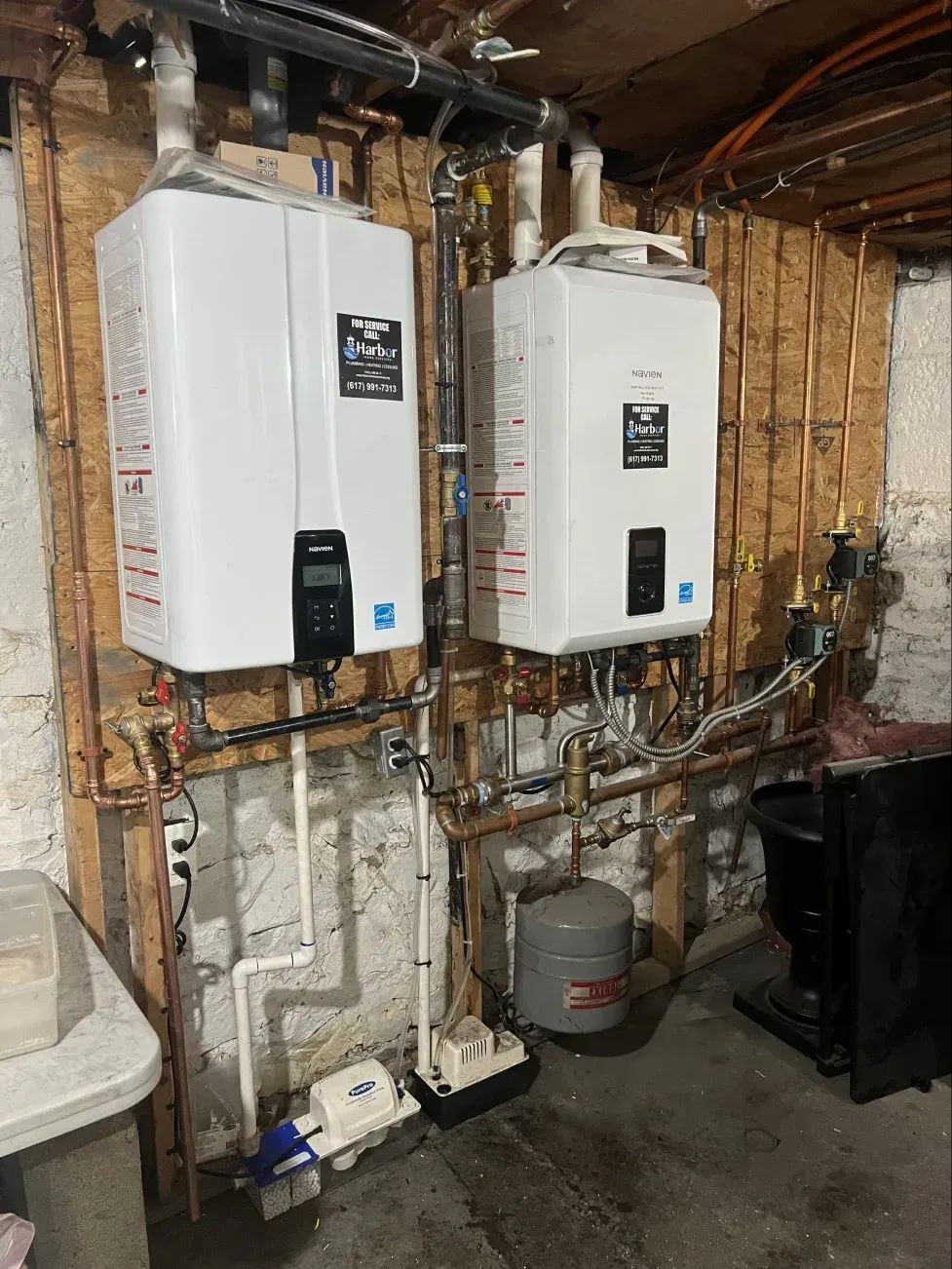
years of experience helping homeowners identify water heater issues and implement effective solutions. Our expert team provides comprehensive inspections, professional installations, and personalized guidance to ensure your home’s hot water system operates efficiently and safely. As a trusted authority in residential plumbing and
water heater services, we prioritize quality, reliability, and customer satisfaction. Whether you’re replacing an aging unit or upgrading to an energy-efficient model, Harbor Home Services
delivers professional expertise and peace of mind for every home.