How Indoor Air Quality Affects Your Health — and Simple Ways to Improve It
February 22, 2026
Indoor air quality (IAQ) is more than just a comfort consideration — it directly affects the health, productivity, and well-being of everyone in your home. With Americans spending up to 90% of their time indoors, poor air quality can silently contribute to respiratory issues, allergies, and even chronic conditions over time. In Massachusetts, seasonal allergens like pollen in spring, mold spores in damp summers, and dust during dry winters can exacerbate these risks. Indoor pollutants are not always visible, making it easy to overlook their impact until health symptoms appear. Understanding the factors that influence indoor air quality is crucial for maintaining a healthy living environment and preventing long-term health problems for your family.
Fortunately, improving IAQ doesn’t require drastic renovations or expensive equipment. Simple steps such as proper ventilation, air purification, and humidity control can make a substantial difference in reducing airborne pollutants. Whether you’re combating pollen-triggered allergies or addressing the effects of indoor dust and chemicals, proactive measures can transform your home into a cleaner, safer space. Implementing these strategies not only enhances comfort but also promotes better sleep, boosts immunity, and supports overall well-being. This guide explores how indoor air quality impacts your health and provides actionable strategies to enhance it, tailored to seasonal challenges in Massachusetts, helping homeowners take practical, effective steps toward healthier living.
Understanding Indoor Air Quality and Its Health Impacts
What Constitutes Indoor Air Quality?
Indoor air quality refers to the condition of the air inside residential or commercial spaces, encompassing the presence of pollutants, allergens, and moisture levels. Common contaminants include dust, pollen, pet dander, volatile organic compounds (VOCs) from paints and cleaners, mold spores, and even bacteria or viruses. While outdoor air often garners attention for pollution, indoor air can sometimes be more polluted due to inadequate ventilation and accumulation of these pollutants.
Health Implications of Poor Air Quality
The effects of poor indoor air quality range from mild discomfort to serious health issues. Short-term exposure can trigger headaches, fatigue, throat irritation, coughing, and sneezing. Long-term exposure may increase the risk of respiratory diseases, asthma, allergies, and even cardiovascular problems. Children, elderly individuals, and those with preexisting respiratory conditions are particularly vulnerable.
In Massachusetts, residents frequently experience seasonal allergens such as tree and grass pollen during spring, ragweed in late summer, and mold from humid summer months. Poorly filtered or stagnant indoor air can intensify these symptoms, leading to chronic irritation, reduced sleep quality, and decreased overall well-being. Recognizing the connection between IAQ and health is the first step toward meaningful improvement.
Common Indoor Pollutants and Seasonal Challenges
Pollen and Seasonal Allergens
Massachusetts homeowners face significant seasonal challenges due to pollen. Spring brings tree pollen, while grass pollen dominates late spring into early summer. Fall introduces ragweed pollen, notorious for triggering hay fever. These allergens can accumulate indoors when windows are opened or when pollen clings to clothing, pets, and shoes.
Tips for Minimizing Pollen Exposure Indoors:
- Keep windows closed during peak pollen hours, typically early morning.
- Use high-efficiency particulate air (HEPA) filters in HVAC systems.
- Wipe down pets and surfaces to prevent pollen accumulation.
Dust, Pet Dander, and VOCs
Dust and pet dander are year-round pollutants that exacerbate respiratory problems. Homes with carpeting or heavy textiles tend to trap dust particles. Additionally, volatile organic compounds (VOCs) from paints, cleaning agents, and furniture contribute to poor air quality. VOC exposure can cause headaches, dizziness, and respiratory irritation.
Mitigation Strategies:
- Vacuum with a HEPA-filter vacuum cleaner.
- Choose low-VOC paints and cleaning products.
- Regularly wash bedding, curtains, and pet bedding.
Mold and Humidity Concerns
Massachusetts’ humid summers and heavy snowfall winters create environments conducive to mold growth. Mold spores can trigger allergies, asthma attacks, and other respiratory issues. Areas like bathrooms, basements, and poorly ventilated kitchens are common hotspots.
Preventive Measures:
- Use exhaust fans in bathrooms and kitchens.
- Maintain indoor humidity levels between 30% and 50%.
- Address water leaks promptly to prevent mold colonization.
The Role of Ventilation in Healthy Indoor Air
Why Ventilation Matters
Proper ventilation is essential for diluting indoor pollutants and maintaining a continuous supply of fresh air. Inadequate ventilation can lead to a buildup of carbon dioxide, VOCs, and allergens, intensifying symptoms for sensitive individuals. Homes with tightly sealed windows for energy efficiency may inadvertently trap contaminants indoors.
Types of Ventilation
- Natural Ventilation: Opening windows and doors allows outdoor air to circulate. Seasonal timing is critical in Massachusetts to avoid peak pollen exposure.
- Mechanical Ventilation: HVAC systems equipped with fresh air intakes or energy recovery ventilators (ERVs) improve airflow without compromising energy efficiency.
- Local Exhaust Ventilation: Targeted solutions, like bathroom fans and kitchen hoods, remove moisture and pollutants directly at the source.
Best Practices
- Schedule HVAC maintenance to ensure ductwork is clean and air filters are functioning.
- Utilize timers or smart systems to optimize ventilation based on indoor air quality readings.
- Combine ventilation with filtration to reduce particulate matter effectively.
Air Purification: Filtering Out Harmful Particles
How Air Purifiers Work
Air purifiers remove airborne contaminants using filters, electrostatic attraction, or UV light. High-efficiency particulate air (HEPA) filters capture particles as small as 0.3 microns, including pollen, dust, and pet dander. Some advanced units also neutralize VOCs and pathogens using activated carbon or UV light.
Selecting the Right Air Purifier
When choosing an air purifier, consider:
- Coverage Area: Ensure the unit can handle the square footage of your room or home.
- Filter Type: HEPA filters are ideal for allergen removal; carbon filters are effective against odors and VOCs.
- Maintenance Requirements: Replace filters regularly to maintain efficiency.
Practical Applications
- Bedroom air purifiers can help allergy sufferers sleep better by removing nighttime pollen and dust.
- Living areas benefit from purifiers that tackle pet dander and general household dust.
- Consider portable units for seasonal peaks, such as ragweed in fall or pollen in spring.
Managing Humidity for Optimal Air Quality
The Importance of Humidity Control
Humidity significantly impacts indoor air quality and comfort. Excess humidity promotes mold growth and dust mites, while low humidity can irritate respiratory passages and skin. Massachusetts’ climate swings between humid summers and dry, heated winters, making humidity control essential year-round.
Strategies for Maintaining Ideal Humidity
- Use Humidifiers in Winter: Heating systems can dry indoor air, exacerbating respiratory issues. Humidifiers maintain moisture levels between 30–50%.
- Dehumidifiers in Summer: Reduce excessive humidity to prevent mold and mildew growth.
- Monitor Levels: Hygrometers help track indoor humidity and ensure optimal balance.
Benefits of Humidity Control
Maintaining proper humidity improves comfort, reduces allergy symptoms, and preserves household furnishings. It also creates an environment less hospitable to bacteria, viruses, and dust mites, contributing to overall health.
Lifestyle and Maintenance Practices for Cleaner Air
Regular Cleaning Routines
Routine cleaning is a cornerstone of healthy indoor air. Dust, dirt, and allergens accumulate daily, especially in high-traffic areas. Effective cleaning removes these particles before they circulate.
Key Practices:
- Vacuum carpets and rugs twice a week using HEPA filters.
- Dust surfaces with damp cloths to trap particles instead of dispersing them.
- Launder bedding, curtains, and soft furnishings weekly to minimize allergens.
Reducing Indoor Pollutant Sources
Limiting sources of indoor pollution is as important as filtration and ventilation.
Practical Steps:
- Avoid smoking indoors.
- Store chemicals and paints in sealed areas with good ventilation.
- Introduce houseplants that naturally filter indoor air, such as spider plants or peace lilies, while monitoring for mold in soil.
Seasonal Adjustments
Adjusting your practices according to Massachusetts’ seasonal changes improves efficacy:
- Close windows and use air purifiers during peak pollen season.
- Dehumidify basements in humid summer months.
- Use humidifiers in winter to counteract dry indoor heat.
The Benefits of Professional Assessment
Why Experts Matter
While DIY strategies are effective, professional assessments ensure your home’s indoor air quality is optimized. Experts can evaluate ventilation systems, inspect for hidden mold, and recommend targeted filtration solutions.
Common Services
- HVAC system inspection and duct cleaning.
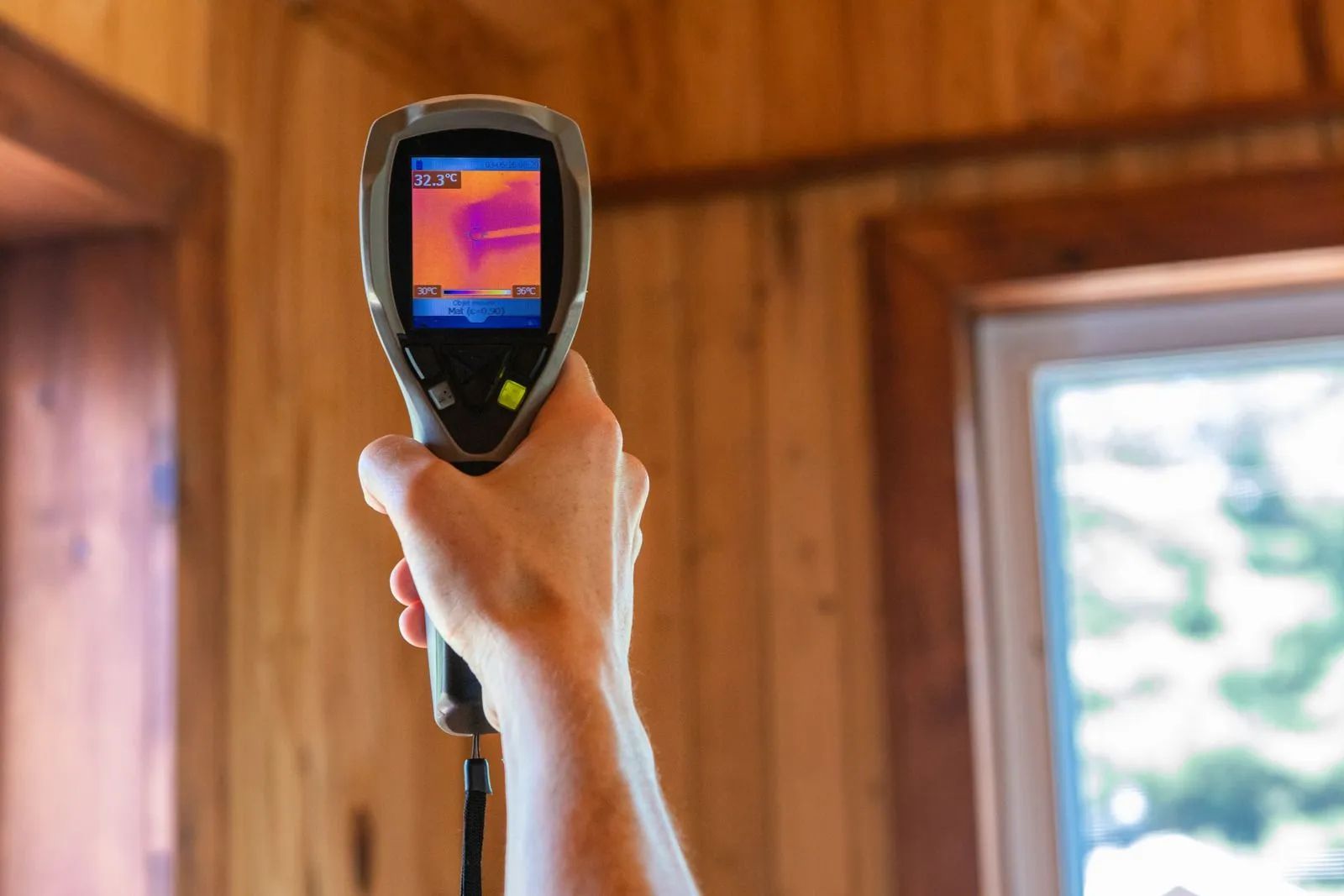
- Air quality testing for VOCs, mold, and particulate matter.
- Installation of advanced filtration or ventilation systems tailored to the home.
Long-Term Advantages
Professional intervention helps maintain consistent indoor air quality, reduces health risks, and prevents costly remediation from mold or system inefficiencies. It also ensures your home is prepared to handle Massachusetts’ seasonal allergens year after year.
Experienced Professionals Safeguarding Massachusetts Homes Year-Round
Indoor air quality is a vital aspect of health that often goes overlooked. From seasonal pollen in Massachusetts to year-round exposure to dust, pet dander, and VOCs, the air inside your home can significantly affect your well-being. Effective strategies like proper ventilation, air purification, humidity control, and regular cleaning can dramatically improve indoor air quality, reduce allergy symptoms, and protect respiratory health. Seasonal awareness and proactive adjustments further enhance the effectiveness of these measures.
For homeowners in Massachusetts seeking expert guidance, Harbor Home Services
offers reliable HVAC and plumbing solutions designed to maintain optimal indoor air quality. Based in Framingham, Massachusetts, with 10
years of experience, our team provides professional assessments, installation of advanced filtration and ventilation systems, and maintenance services to keep your home safe and comfortable year-round. By combining technical expertise with a commitment to customer satisfaction, Harbor Home Services
ensures that every indoor environment meets the highest standards of health, comfort, and efficiency.