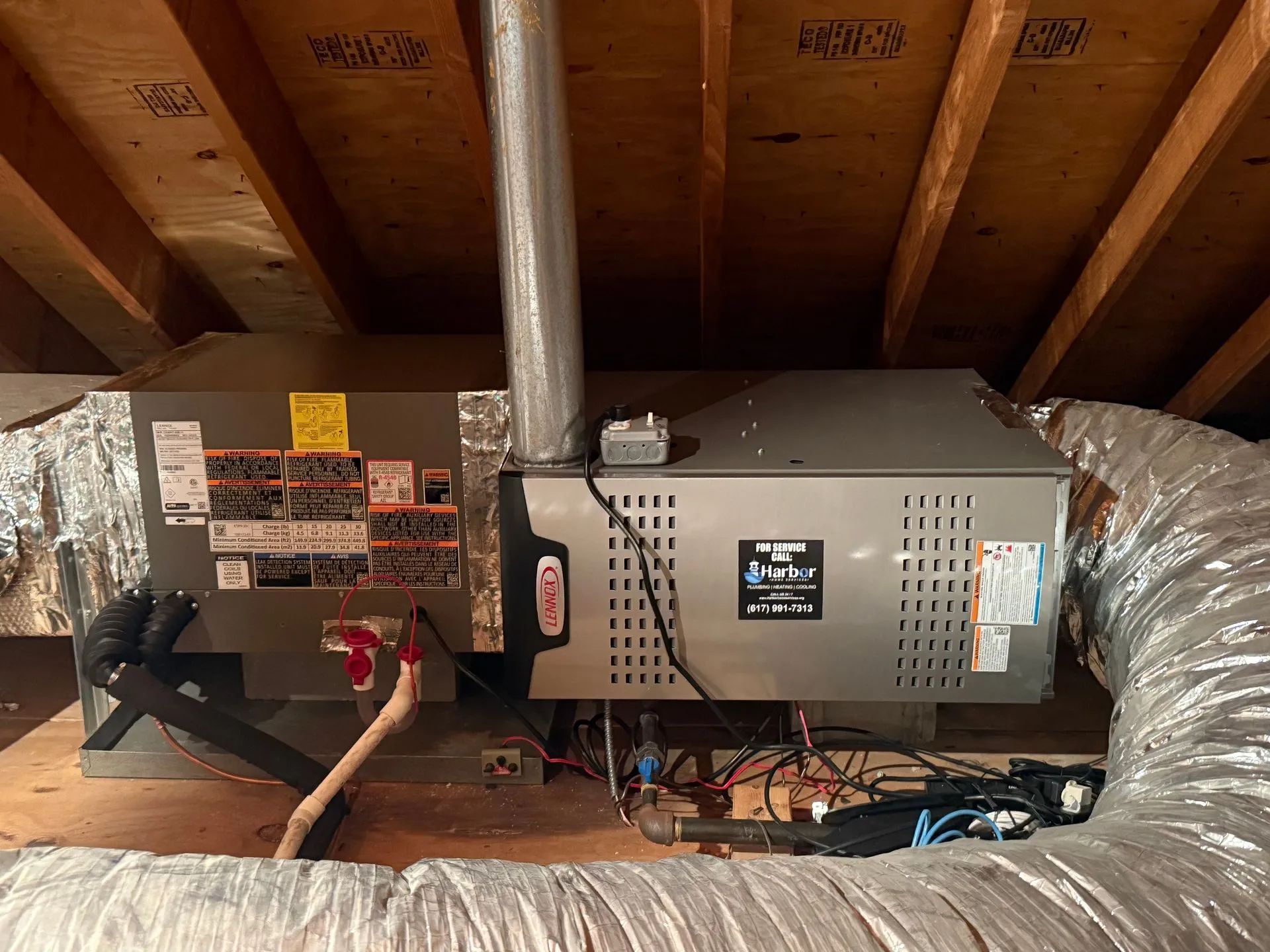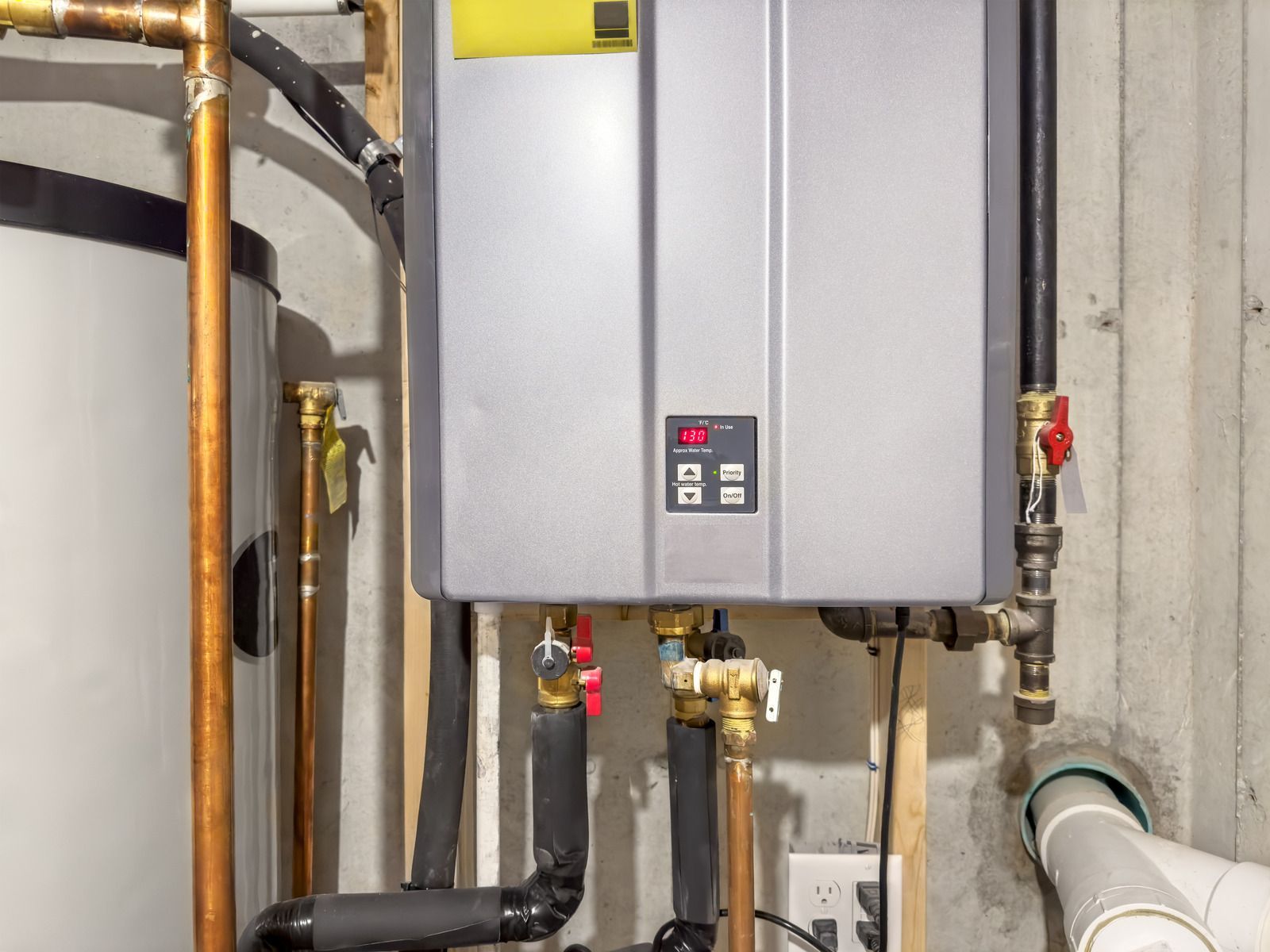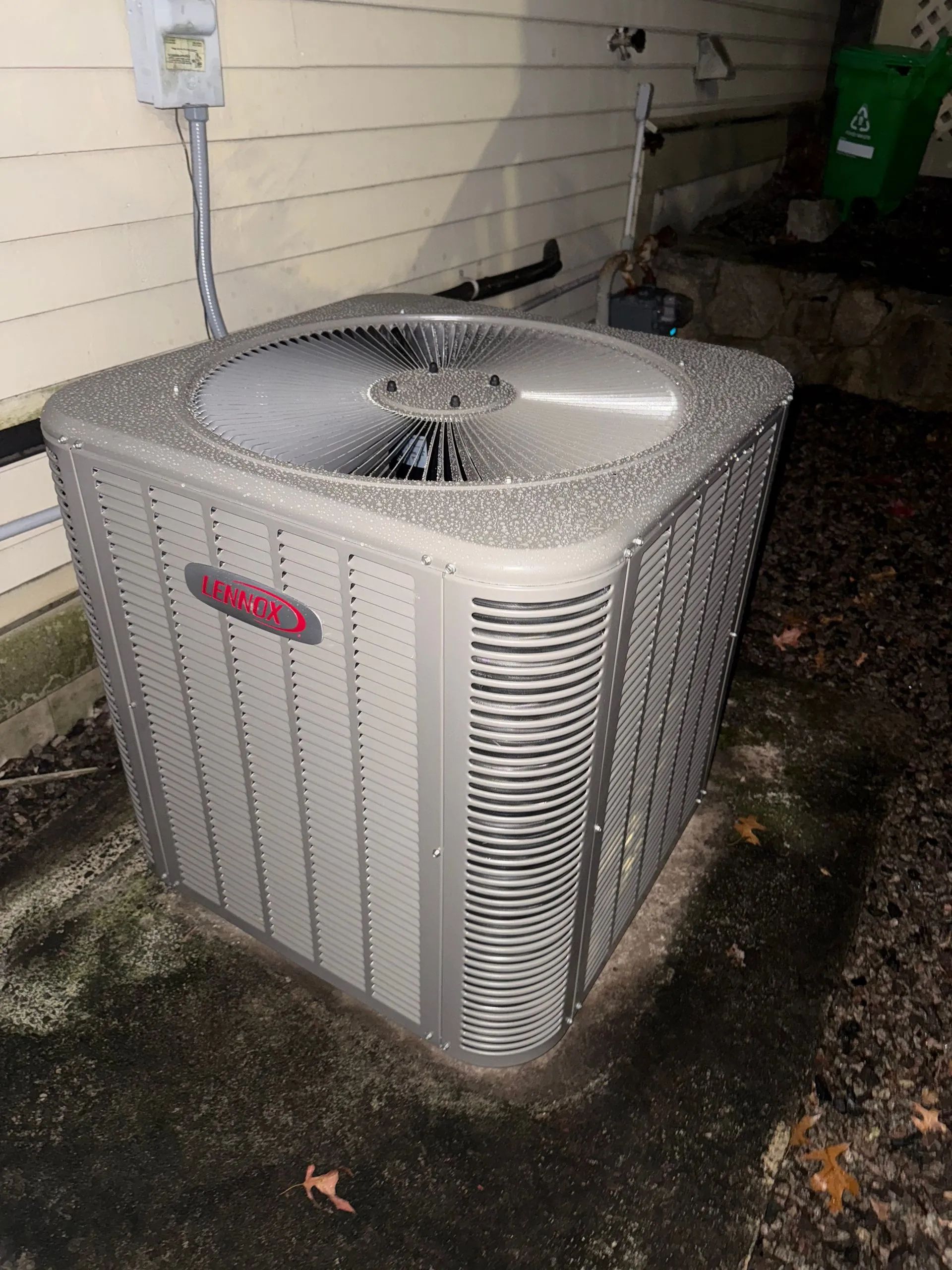
The Importance of Fall Furnace Tune-Ups in New England Homes
March 30, 2026
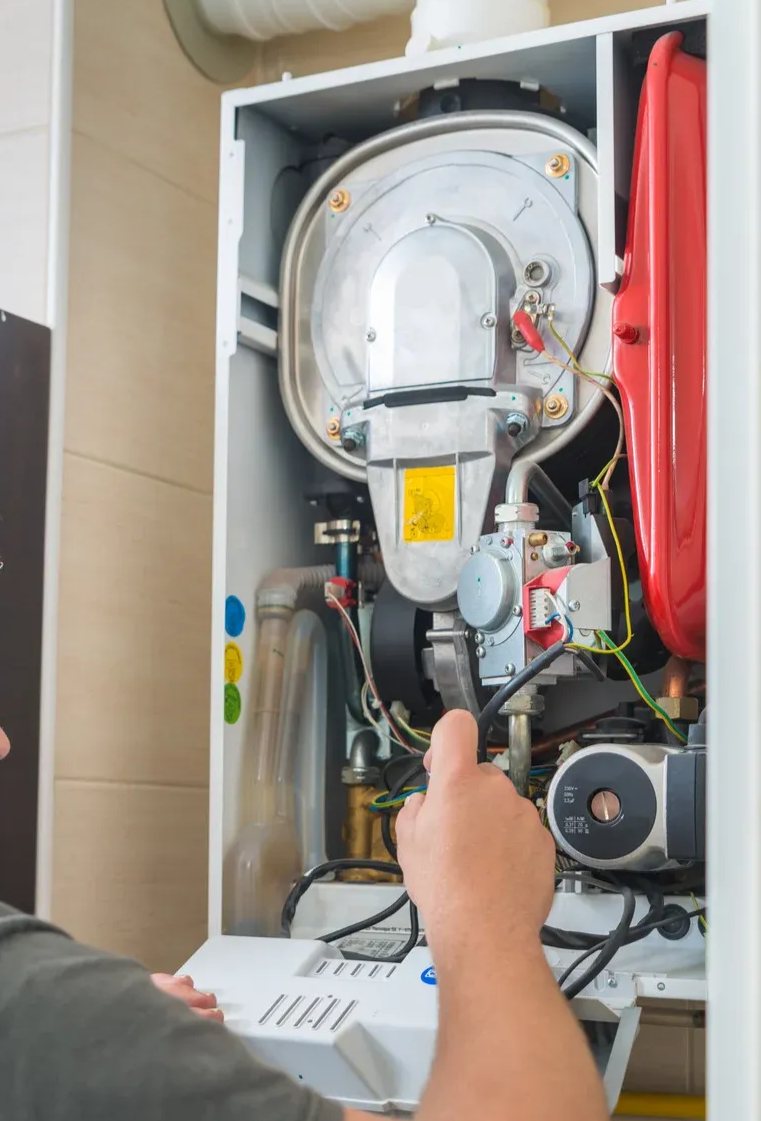
As the crisp air of autumn begins to settle over New England, homeowners face the inevitable approach of frigid winter months. For many, the furnace becomes the central lifeline, providing warmth and comfort in homes where temperatures can plummet well below freezing. Yet, it is often the case that furnaces are neglected until a problem arises—when sudden breakdowns or rising energy bills serve as unwelcome reminders. Preparing your heating system before winter is not just a convenience; it is an essential step in protecting your home, family, and finances.
A
fall furnace tune-up serves as a proactive measure, ensuring that heating systems operate efficiently and reliably throughout the harsh months ahead. Beyond the immediate benefit of a warm home, regular maintenance can prevent costly repairs, extend the lifespan of your system, and reduce energy consumption. In a region where winter can be long and unforgiving, investing in preventative heating maintenance is both a smart financial decision and a critical component of household safety. Understanding why these tune-ups matter and how they benefit homeowners is key to maximizing comfort and efficiency during New England’s coldest season.
Why Preventative Furnace Maintenance Matters
Detecting Early Problems Before They Escalate
One of the primary reasons for scheduling a fall furnace tune-up is the early detection of potential issues. Furnaces endure significant wear and tear throughout the heating season, and small problems—like a clogged filter, malfunctioning thermostat, or worn-out igniter—can escalate into full system failures if left unchecked. Early identification allows technicians to repair minor defects before they become emergencies, preventing sudden breakdowns when the coldest days arrive.
For example, a pilot light that is flickering or a burner that is not igniting properly may seem minor but can quickly lead to system shutdowns or even safety hazards. By addressing these issues in the fall, homeowners avoid mid-winter furnace failures that often require urgent, costly service calls. Preventative maintenance transforms reactive repairs into proactive care, ensuring a reliable heat source when it is needed most.
Extending Furnace Lifespan
Routine maintenance significantly prolongs the operational life of a furnace. Much like a vehicle, furnaces perform better and last longer when components are regularly cleaned, lubricated, and inspected. Dust accumulation, neglected belts, and worn-out parts can cause a system to work harder than necessary, leading to premature breakdowns. By investing in fall tune-ups, homeowners protect their heating system, delaying the need for expensive replacements and ensuring steady, efficient performance year after year.
Energy Efficiency and Cost Savings
Lowering Heating Bills
A well-maintained furnace consumes less energy while delivering consistent warmth, translating directly into lower heating bills. According to energy experts, neglected systems can lose up to 30% of their efficiency over time due to dirt buildup, misaligned components, and poor airflow. A tune-up includes tasks such as cleaning burners, inspecting ductwork, and calibrating thermostats, all of which optimize energy use.
For homeowners in New England, where winter heating costs can be substantial, even minor improvements in efficiency can result in significant savings. A furnace running at peak efficiency uses fuel more effectively, minimizing waste and reducing monthly energy expenditures. This benefit is especially important for households relying on older systems or facing rising energy prices.
Real-World Example
Consider a typical oil-fired furnace in Massachusetts: without maintenance, buildup in the combustion chamber may cause incomplete fuel burning, forcing the system to run longer to reach desired temperatures. After a professional tune-up, the furnace can operate at its designed efficiency, reducing fuel consumption by 10–15%—a difference that can amount to hundreds of dollars in savings over the winter season. Preventative care, therefore, is not only a practical measure but also an economically savvy strategy for homeowners.
Safety Considerations
Reducing Fire and Carbon Monoxide Risks
Safety is one of the most critical aspects of furnace maintenance. A poorly maintained furnace can become a source of dangerous hazards, including fire risks and carbon monoxide (CO) leaks. CO is an odorless, colorless gas that can accumulate to life-threatening levels if the furnace is not functioning properly. During a fall tune-up, technicians inspect heat exchangers, gas connections, and ventilation systems to ensure safe operation.
Additionally, electrical components and wiring are checked for wear, reducing the likelihood of sparks or overheating that could lead to fires. By addressing these concerns proactively, homeowners protect both their families and property from preventable dangers during the coldest months of the year.
Peace of Mind
Knowing that a furnace is operating safely allows homeowners to focus on comfort without constant worry. This peace of mind is invaluable, particularly for families with children, elderly residents, or pets. Preventative maintenance ensures that every winter evening is warm and safe, reinforcing the idea that tune-ups are an essential aspect of responsible homeownership
Common Furnace Tune-Up Procedures
Cleaning and Inspection
During a fall tune-up, professional technicians perform a comprehensive inspection of all furnace components. Key steps include cleaning burners, checking and replacing air filters, inspecting belts and pulleys, and ensuring proper airflow. These actions not only optimize efficiency but also prevent mechanical failures caused by dirt and debris accumulation.
System Calibration
Technicians also calibrate thermostats and control systems, verifying that the furnace responds accurately to temperature settings. Improperly calibrated systems may cycle on and off excessively, wasting energy and causing uneven heating throughout the home. Calibration ensures consistent warmth and maximizes energy efficiency.
Lubrication and Component Replacement
Moving parts within a furnace, such as motors and fans, require lubrication to prevent friction and wear. During a tune-up, technicians lubricate necessary components and replace worn or damaged parts, ensuring smooth operation. Addressing these small issues before winter prevents unexpected breakdowns and costly repairs during the peak heating season.
Ductwork Inspection
Proper airflow is essential for furnace efficiency. Technicians often inspect ductwork for leaks, blockages, and insulation issues. Leaky or poorly insulated ducts can dramatically reduce heating efficiency, forcing the furnace to work harder. By repairing or sealing ducts, homeowners improve system performance and reduce energy waste.
Seasonal Challenges in New England
Harsh Winter Conditions
New England winters are notorious for freezing temperatures, heavy snow, and ice storms. These conditions place extraordinary demands on home heating systems, making a reliable furnace critical for comfort and safety. Without preventative maintenance, even minor issues can quickly escalate under these harsh conditions, leading to costly repairs or unsafe living environments.
Fuel Supply and Accessibility
During extreme cold snaps, fuel delivery and system accessibility can be challenging. For oil, propane, or natural gas furnaces, ensuring that the system is functioning properly before winter guarantees that fuel is used efficiently and reduces the risk of emergency service calls. Homeowners who schedule fall tune-ups are better prepared to handle fuel shortages or delays without sacrificing comfort.
Avoiding Mid-Winter Emergencies
Emergency furnace repairs during winter can be both expensive and inconvenient. HVAC service providers often experience high demand during the coldest months, leading to delays in response times. By addressing potential problems in the fall, homeowners avoid the stress and cost of mid-winter breakdowns, ensuring uninterrupted heating when it is most needed.
Best Practices for Homeowners
Schedule Annual Tune-Ups
Scheduling a professional furnace tune-up each fall is the most effective strategy for preventing winter issues. Setting a consistent maintenance routine ensures that the furnace is inspected and serviced before the first cold snap, avoiding the rush of last-minute appointments
Regular Filter Replacemen
Even between professional tune-ups, homeowners should replace or clean furnace filters regularly. Dirty filters restrict airflow, reduce efficiency, and increase strain on the system. Checking filters monthly during the heating season can maintain optimal performance and extend the interval between professional services.
Monitor System Performance
Homeowners should monitor their furnace for unusual noises, odors, or inconsistent heating. Early detection of anomalies allows for timely intervention before problems escalate. Simple actions, such as noting changes in energy bills or uneven room temperatures, can signal when a professional assessment is needed.
Invest in Modern Thermostats
Smart or programmable thermostats help optimize furnace performance by maintaining consistent temperatures and reducing unnecessary energy use. These devices complement professional maintenance, ensuring that the furnace operates efficiently while providing homeowners with control and convenience.
Trusted Professionals Protecting Homes During Harsh Winters
Why Experts Matter
While DIY strategies are effective, professional assessments ensure your home’s indoor air quality is optimized. Experts can evaluate ventilation systems, inspect for hidden mold, and recommend targeted filtration solutions.
Common Services
- HVAC system inspection and duct cleaning.
- Air quality testing for VOCs, mold, and particulate matter.
- Installation of advanced filtration or ventilation systems tailored to the home.
Long-Term Advantages
Professional intervention helps maintain consistent indoor air quality, reduces health risks, and prevents costly remediation from mold or system inefficiencies. It also ensures your home is prepared to handle Massachusetts’ seasonal allergens year after year.
Trusted Professionals Protecting Homes During Harsh Winters
Fall furnace tune-ups are an indispensable aspect of maintaining home comfort, safety, and energy efficiency in New England. Preventative maintenance allows homeowners to identify and address minor issues before they escalate, avoiding unexpected breakdowns and costly repairs during the winter months. A thorough tune-up enhances system efficiency, reduces energy consumption, and ensures safe operation, offering both financial and peace-of-mind benefits. By understanding the importance of routine inspection, cleaning, calibration, and component replacement, homeowners can take proactive steps to safeguard their homes against the harsh realities of New England winters.
For residents of Framingham and surrounding areas, Harbor Home Services stands as a trusted authority in HVAC and plumbing solutions. With over 10 years of experience serving New England homes, the company specializes in comprehensive heating system maintenance, repairs, and emergency support. Harbor Home Services understands the unique challenges posed by local winters and provides tailored solutions to ensure that every furnace operates safely, efficiently, and reliably. Investing in a fall furnace tune-up through Harbor Home Services is not just about warmth—it is about peace of mind, financial prudence, and ensuring that your home remains a sanctuary through the coldest months of the year.