Why Water Filtration and Softening Matter for Homes in Framingham, MA
April 22, 2026
Clean and reliable water is a foundational requirement for every home, yet its quality is often taken for granted until problems begin to surface. In Framingham, MA, households frequently experience challenges linked to municipal and groundwater conditions, including hardness, chlorine presence, and trace contaminants. These issues may not always be visible, but over time, they influence taste, appliance performance, plumbing health, and even skin and hair comfort. Over months and years, these small effects accumulate and begin to impact overall household efficiency and daily water experience.
Additionally, unnoticed mineral buildup can gradually reduce the lifespan of water-using appliances such as dishwashers, washing machines, and water heaters. Homeowners may also observe increased maintenance costs as plumbing systems become more prone to scaling and blockages.
Understanding water quality is not just a matter of preference but of long-term home protection and efficiency. As modern households rely more heavily on water-dependent appliances, the importance of advanced filtration and softening systems continues to grow. From reducing mineral buildup to improving daily water usability, these solutions play a critical role in maintaining healthier living environments. This blog explores why water filtration and softening matter so much for homes in Framingham and how these systems contribute to long-term comfort, safety, and infrastructure protection. Investing in proper water treatment ultimately supports better performance, durability, and peace of mind for homeowners.
It also helps ensure that every drop of water used for drinking, cooking, and bathing meets higher quality standards. Over time, this leads to a noticeable improvement in overall household well-being and system reliability.
Understanding Local Water Quality in Framingham, MA
Natural Water Composition and Supply Sources
Framingham’s water supply is generally drawn from a combination of surface water reservoirs and groundwater systems. While treated to meet regulatory standards, natural water still carries dissolved minerals such as calcium and magnesium. These minerals contribute to hardness, which becomes noticeable in daily household use over time, especially in plumbing systems and appliances throughout residential properties.
Hard Water Challenges in Local Homes
Hard water is one of the most common concerns in the region. It leads to visible scale buildup on faucets, cloudy glassware, and reduced soap efficiency. Inside plumbing systems, these minerals gradually accumulate, narrowing water flow pathways and increasing pressure on pipes and fixtures. Over time, this can result in reduced system efficiency and higher maintenance demands for homeowners.
Subtle Contaminants and Treatment Byproducts
Even treated municipal water may contain trace levels of chlorine and disinfection byproducts. While these levels remain within safety standards, long-term exposure can affect taste and odor. In some cases, homeowners notice dryness in skin or irritation due to these residual compounds, especially when water is heated during everyday bathing or cleaning activities.
Importance of Water Filtration Systems for Homes
Removal of Chemical Impurities and Odors
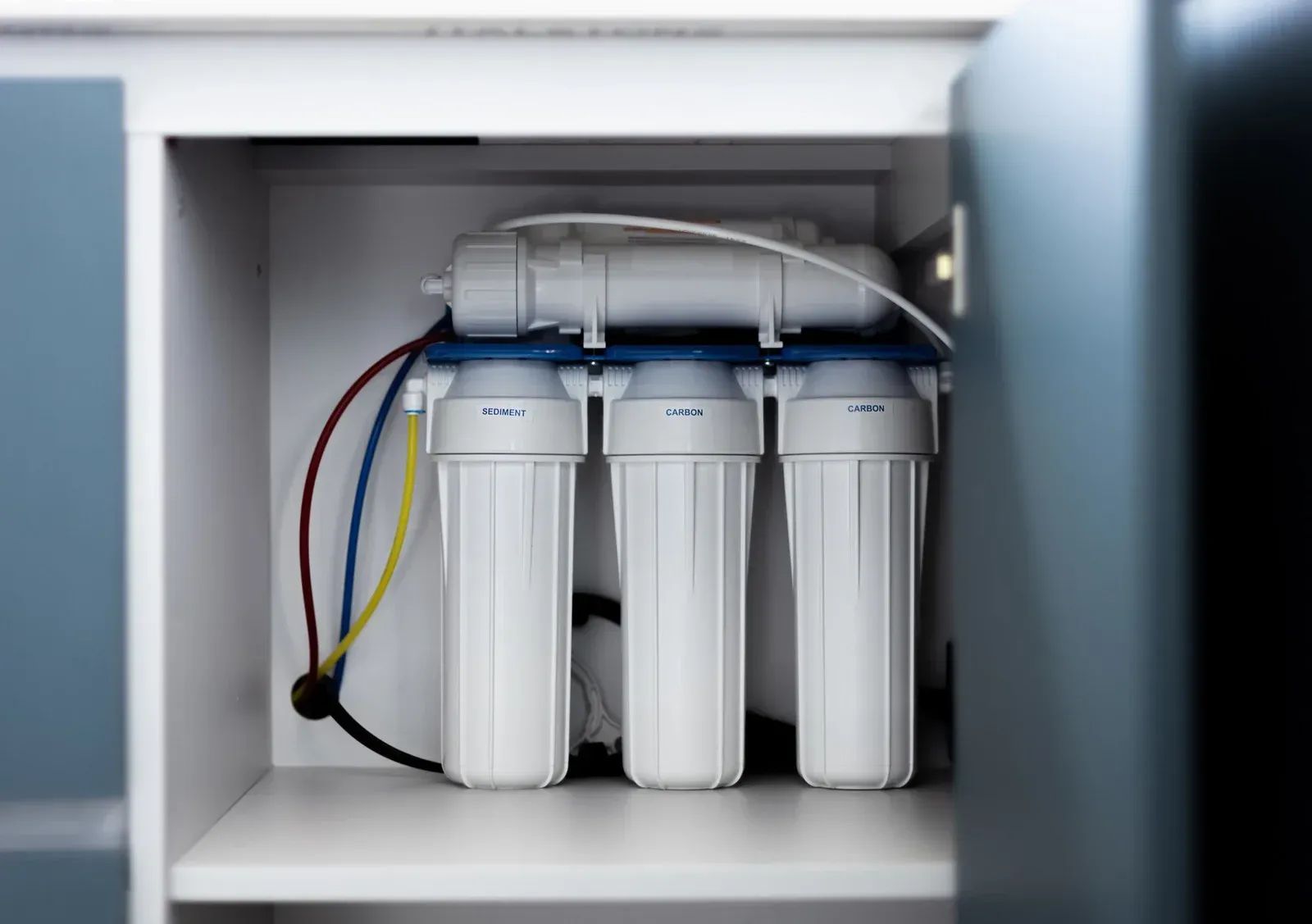
Water filtration systems help eliminate chlorine, sediments, and organic compounds that affect water quality. Activated carbon filters, reverse osmosis systems, and multi-stage filtration units are commonly used to improve taste and remove unwanted odors. Cleaner water enhances drinking quality and cooking outcomes, creating a noticeably healthier and more enjoyable daily water experience overall.
Health-Focused Water Improvements
Filtered water reduces exposure to potentially harmful contaminants that may exist in trace amounts. While municipal systems regulate safety, filtration adds an additional layer of protection. This is especially important for households with children, elderly individuals, or those with sensitive immune systems requiring consistently safer hydration and cooking water sources daily.
Appliance Protection and Efficiency
Unfiltered water can carry fine particles that accumulate in appliances such as dishwashers, washing machines, and water heaters. Over time, these deposits reduce efficiency and increase energy consumption. Filtration helps maintain smoother internal operation and extends appliance lifespan significantly, reducing unexpected breakdowns and improving long-term household system reliability overall.
Real-World Household Impact
In many Framingham homes, installing a filtration system leads to immediate improvements in water clarity and taste. Coffee and tea taste cleaner, cooking water performs better with ingredients, and drinking water becomes more appealing. These subtle changes significantly enhance daily living quality, creating a more comfortable and noticeably refined household water experience overall.
How Water Softeners Protect Plumbing and Appliances
Understanding Water Hardness
Water hardness is caused primarily by calcium and magnesium ions. When heated or left to sit, these minerals form solid deposits known as scale. This scale gradually accumulates inside pipes, faucets, and appliances, restricting water flow and reducing efficiency, ultimately increasing long-term wear on essential household plumbing infrastructure systems.
Preventing Scale Buildup in Pipes
A water softener works by replacing hardness minerals with sodium or potassium ions through an ion-exchange process. This prevents scale formation inside plumbing systems. As a result, pipes remain cleaner, water pressure stays consistent, and long-term plumbing damage is significantly reduced, improving overall system reliability and household water performance efficiency.
Extending Appliance Lifespan
Appliances that use heated water—such as water heaters, boilers, and dishwashers—are particularly vulnerable to scale buildup. Hard water forces these systems to work harder, increasing energy consumption and wear. Softened water reduces this strain, improving efficiency and extending operational life, ultimately protecting expensive household investments over many years effectively.
Reduced Maintenance and Repair Costs
Scale buildup often leads to frequent maintenance needs, including descaling, part replacements, and efficiency repairs. Water softeners minimize these issues, helping homeowners reduce long-term maintenance expenses while maintaining consistent system performance, preventing unexpected breakdowns and ensuring smoother, more reliable plumbing and appliance operation throughout the entire household system lifecycle.
Combined Benefits of Filtration and Softening Systems
Comprehensive Water Quality Improvement
When filtration and softening systems are used together, water quality improves across multiple dimensions. Filtration addresses contaminants and taste issues, while softening eliminates mineral hardness. This combination delivers cleaner, safer, and more efficient water throughout the home, significantly improving daily usability and overall household water system performance consistency.
Enhanced Skin, Hair, and Comfort
Hard water often leaves mineral residue on skin and hair, leading to dryness or irritation. Softened and filtered water reduces these effects, providing a smoother bathing experience. Many homeowners notice improved comfort after showering and reduced need for excessive soap or shampoo, resulting in healthier skin and more manageable hair over time.
Energy Efficiency Gains
Appliances that operate with clean, soft water require less energy to function. Water heaters, in particular, operate more efficiently without scale buildup on insulating heating elements. Over time, this leads to measurable energy savings and improved household efficiency, reducing utility costs while enhancing overall system performance, sustainability, and reliability.
Long-Term Property Value Protection
Homes with properly maintained water systems experience fewer plumbing issues and reduced infrastructure wear. This contributes to higher property value and fewer unexpected repair costs, making water treatment systems a practical long-term investment, supporting both financial stability and improved home functionality across many years of residential ownership.
Best Practices for Maintaining Water Systems in Framingham Homes
Routine System Inspections
Regular inspection of filtration cartridges and softener resin tanks ensures optimal performance. Filters should be replaced as recommended to maintain water purity and flow efficiency. Neglecting maintenance reduces system effectiveness over time, leading to reduced water quality and increased strain on household plumbing and appliance systems overall.
Monitoring Water Quality Changes
Changes in taste, odor, or water pressure often indicate system issues. Early detection allows for timely maintenance before major problems develop. Consistent monitoring ensures continuous protection for plumbing and appliances, helping maintain stable water quality and preventing long-term damage or inefficiencies in household water delivery systems effectively.
Professional Installation and Calibration
Proper installation is critical for system efficiency. Incorrect sizing or configuration can reduce performance and increase operational costs. Professional calibration ensures that filtration and softening systems match household water usage demands, maximizing efficiency, extending system lifespan, and ensuring consistent, reliable water treatment performance throughout daily residential usage needs.
Seasonal Considerations
Temperature fluctuations in Massachusetts can influence water system performance. Cold weather may affect pipe pressure, while seasonal usage changes can alter filtration demand. Adjusting system settings seasonally helps maintain consistent performance year-round, ensuring stable water quality and protecting plumbing systems from seasonal stress variations effectively across all conditions.
Skilled Solutions Enhancing Long-Term Plumbing Performance Consistently
Water quality plays a direct role in the comfort, efficiency, and durability of every home system. In Framingham, MA, challenges such as hard water minerals, trace contaminants, and seasonal variations make water treatment solutions essential rather than optional. Filtration improves taste, safety, and cleanliness, while softening systems protect plumbing infrastructure and extend appliance life. Together, these systems create a healthier and more efficient household environment while reducing long-term maintenance demands and operational costs. Addressing water quality proactively ensures consistent performance across daily activities, from cooking and cleaning to bathing and appliance use. Homes that invest in proper water treatment experience fewer disruptions and greater long-term value.
We at Harbor Home Services
understand the importance of dependable water systems in Framingham households. With over 10
years of experience in HVAC and plumbing solutions, our focus remains on delivering reliable
water filtration and softening installations
tailored to local water conditions. Every system is designed to improve efficiency, protect infrastructure, and enhance daily living quality. Our approach emphasizes precision, durability, and long-term performance, ensuring that each home receives a solution aligned with its specific water demands. Through consistent service and technical expertise, we help homeowners achieve cleaner, softer, and more reliable water systems that support healthier living and stronger home infrastructure for years to come.