Plumbing Emergencies Every Homeowner Should Be Prepared For
May 12, 2026
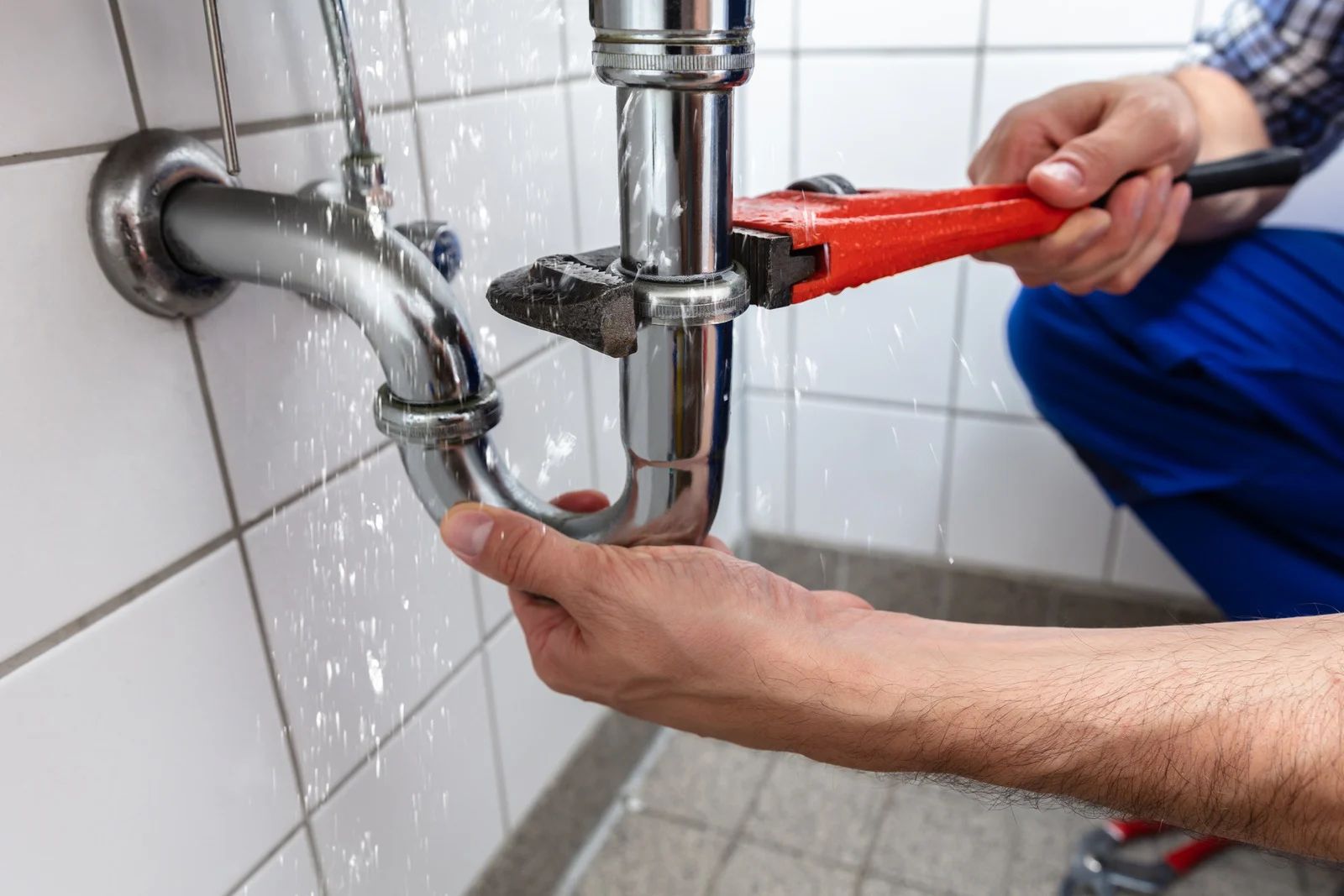
Plumbing emergencies rarely happen at convenient times. A burst pipe in the middle of the night, a leaking water heater during a family gathering, or an overflowing drain before work can quickly disrupt daily life and cause significant property damage. Many homeowners underestimate how fast water-related problems can spread through walls, flooring, insulation, and electrical systems. Even a small plumbing issue can escalate into a costly repair if immediate action is not taken. Understanding the most common plumbing emergencies and knowing how to respond can help minimize damage, protect your home, and reduce long-term repair expenses.
Modern plumbing systems are designed for durability, but no system is immune to wear, aging components, seasonal temperature changes, or unexpected failures. Preventive maintenance and emergency preparedness play a major role in keeping homes safe and functional. Homeowners who recognize warning signs early are often able to prevent larger issues from developing. From shutting off the main water supply to handling clogged drains safely, taking the correct first steps matters. This guide explains the most common plumbing emergencies homeowners face, practical ways to respond, and why professional support remains essential when urgent problems threaten the safety and stability of your property.
Burst Pipes Can Cause Rapid Water Damage
Common Causes of Burst Pipes
Burst pipes are among the most destructive plumbing emergencies because they can release gallons of water within minutes. Freezing temperatures, excessive water pressure, corrosion, aging pipes, and poor installation practices are common causes of pipe failures. During colder months, water inside pipes can freeze and expand, placing tremendous pressure on plumbing lines until they crack or burst. Older homes with outdated galvanized piping are also more vulnerable to corrosion-related failures.
Tree root intrusion and shifting foundations may also place stress on underground plumbing systems. In many cases, homeowners first notice the issue through water stains, unusual sounds in walls, or a sudden drop in water pressure. Acting quickly is critical because delayed responses often lead to structural damage, mold growth, and ruined flooring.
Immediate Steps to Take During a Burst Pipe Emergency
The first and most important action is shutting off the main water supply. Every homeowner should know where the main shut-off valve is located before an emergency occurs. Once the water supply is turned off, opening faucets helps drain remaining water from the system and reduces pressure inside pipes.
Next, disconnect electrical devices near affected areas if it is safe to do so. Standing water near outlets or appliances creates serious safety hazards. Homeowners should also begin removing valuable belongings, rugs, and furniture from the affected space to minimize water damage.
Temporary pipe repair clamps or waterproof tape may help slow leaks until professional repairs can be completed. However, temporary solutions should never replace proper plumbing restoration because hidden pipe damage may still exist behind walls or beneath flooring.
Preventive Measures That Reduce Pipe Failures
Insulating exposed pipes in basements, crawl spaces, and garages helps reduce freezing risks. Maintaining consistent indoor temperatures during winter also protects plumbing systems from extreme cold exposure. Regular plumbing inspections can identify corroded pipes, weak joints, and pressure irregularities before failures occur.
Monitoring water pressure is another important preventive step. Excessive pressure places continuous stress on pipes and fixtures. Installing a pressure regulator may extend the life of the plumbing system and reduce emergency risks over time.
Plumbing Leaks Often Start Small but Become Serious
Hidden Leaks Can Create Expensive Structural Damage
Not every plumbing emergency involves visible flooding. Hidden leaks behind walls, beneath sinks, or under foundations can slowly damage structural materials for weeks before homeowners recognize the problem. Water stains, peeling paint, warped flooring, musty odors, and rising utility bills are common warning signs.
Small leaks may appear harmless initially, but prolonged moisture exposure creates ideal conditions for mold growth and wood deterioration. In severe cases, hidden leaks compromise drywall, insulation, and framing components, increasing restoration costs substantially.
How to Respond to Active Plumbing Leaks
When a leak is discovered, shutting off the nearest fixture valve can help contain the issue temporarily. If the leak continues, turning off the main water supply may be necessary. Drying affected surfaces quickly is equally important because lingering moisture accelerates property damage and microbial growth.
Buckets, towels, and wet vacuums can help manage standing water until professional assistance arrives. Homeowners should avoid puncturing walls or removing plumbing components without proper knowledge because incorrect handling may worsen the situation.
Documenting visible damage with photos can also support insurance claims if water damage repairs become extensive. Quick documentation helps establish the timeline and severity of the emergency.
Best Practices for Leak Prevention
Routine inspections around sinks, toilets, water heaters, and exposed plumbing lines help identify early warning signs. Replacing worn supply hoses, tightening loose fittings, and addressing minor drips immediately reduces the likelihood of larger failures.
Water leak detection devices are becoming increasingly popular because they provide early alerts when unusual moisture or water flow patterns occur. Smart leak detectors can help homeowners react faster and minimize damage during unexpected emergencies.
Overflowing Drains and Sewer Backups Require Immediate Attention
Why Drain Overflows Should Never Be Ignored
Overflowing drains are more than simple inconveniences. Severe clogs and sewer backups can expose homeowners to contaminated water and hazardous bacteria. Kitchen drains, bathroom sinks, floor drains, and toilets may overflow when blockages prevent wastewater from moving through the plumbing system properly.
Grease buildup, flushed wipes, tree root intrusion, and collapsed sewer lines are common causes of serious drainage problems. Multiple slow drains throughout the home often indicate a larger sewer line issue rather than an isolated clog.
Ignoring recurring drainage problems may lead to pipe damage, flooding, and sanitation concerns that affect indoor living conditions.
Safe Actions Homeowners Should Take
If a drain begins overflowing, stop using water fixtures immediately to avoid worsening the backup. Turning off water flow to the affected fixture helps prevent additional flooding. Homeowners should avoid chemical drain cleaners during severe clogs because harsh chemicals may damage pipes and create safety risks.
Using a plunger or drain snake can sometimes clear minor obstructions safely. However, persistent backups usually require professional equipment capable of identifying deeper blockages within the system.
Protective gloves and proper sanitation practices are essential when handling contaminated water. Sewage exposure poses health risks and should always be treated seriously.
Long-Term Drain Maintenance Strategies
Preventive drain care significantly reduces emergency plumbing incidents. Avoid pouring grease, oils, coffee grounds, and food scraps into kitchen drains. In bathrooms, drain covers help catch hair and debris before blockages form.
Scheduling professional drain inspections and cleanings helps maintain proper flow throughout the system. Camera inspections can identify hidden root intrusion, pipe deterioration, or recurring blockage points before complete backups occur.
Water Heater Emergencies Can Interrupt Daily Comfort
Common Water Heater Problems Homeowners Face
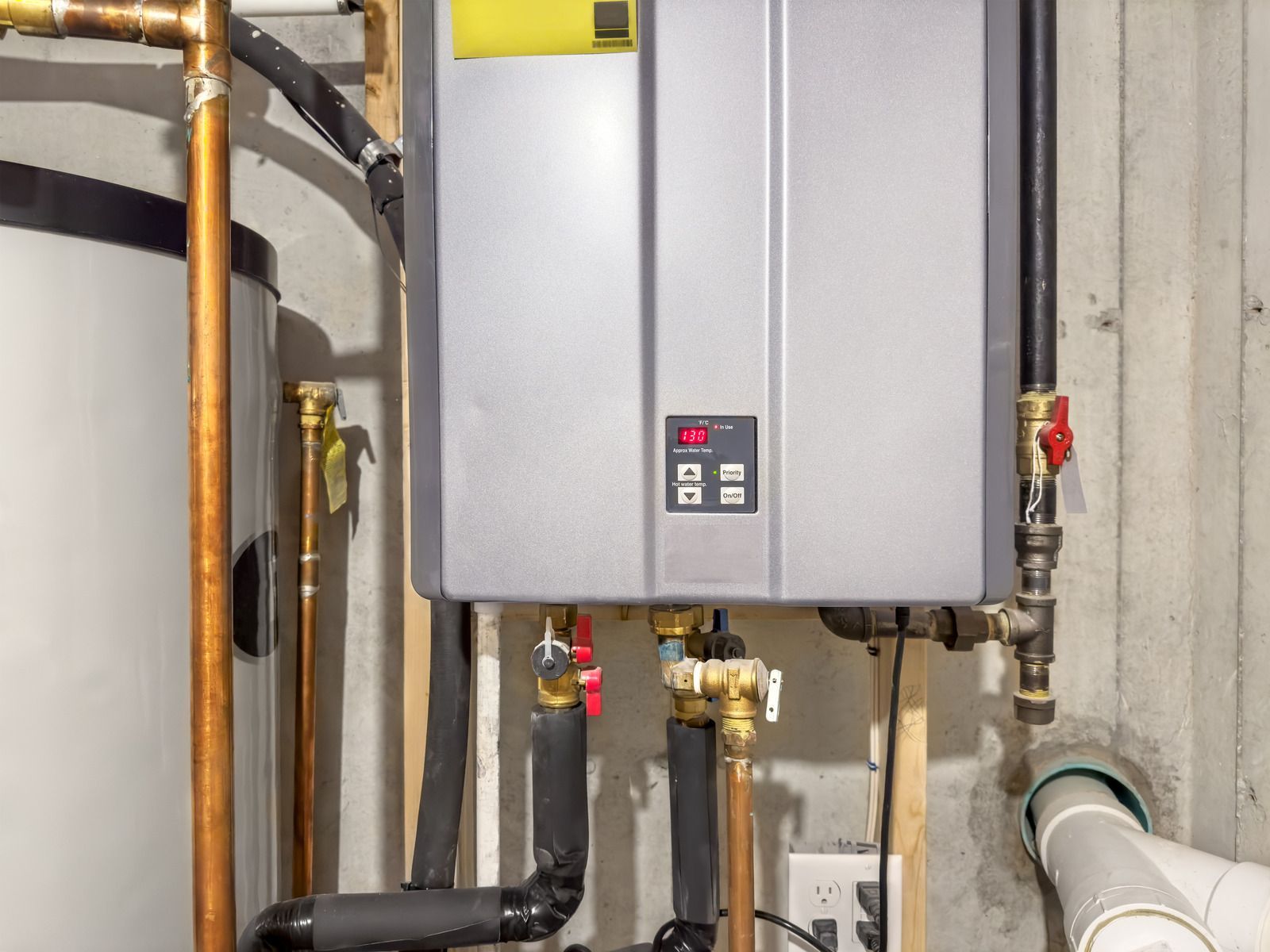
Water heaters work continuously to provide hot water for showers, dishwashing, laundry, and cleaning. Over time, sediment buildup, worn heating elements, pressure issues, and tank corrosion can lead to emergency failures. Signs of water heater trouble often include inconsistent water temperature, unusual noises, rusty water, or leaks around the tank.
A leaking water heater should never be ignored because tank failures can release substantial amounts of water rapidly. Gas-powered systems may also present safety concerns if unusual odors or ventilation issues develop.
Emergency Steps During Water Heater Failures
Shutting off power or gas to the water heater is the first priority during a malfunction. Homeowners should then turn off the cold-water supply valve connected to the unit to prevent additional leakage.
If water pooling occurs near the heater, clearing nearby belongings helps minimize damage. Attempting internal water heater repairs without proper expertise is risky because pressure systems and heating components require specialized handling.
In cases involving gas smells, evacuating the area and contacting emergency services may be necessary before plumbing repairs begin.
Preventive Maintenance for Longer Equipment Life
Routine flushing helps remove sediment buildup that strains water heaters and reduces efficiency. Annual inspections allow professionals to identify worn valves, corrosion, and pressure irregularities before system failure occurs.
Replacing aging units before catastrophic breakdowns happen often saves homeowners from expensive emergency restoration costs. Proper maintenance not only extends equipment lifespan but also improves energy efficiency and system reliability.
Dedicated Emergency Plumbing Care for Local Homeowners
Plumbing emergencies can happen without warning, but preparation helps homeowners respond quickly and reduce costly damage. Burst pipes, hidden leaks, overflowing drains, and failing water heaters each present unique risks that require immediate attention and informed decision-making. Recognizing early warning signs, understanding how to shut off water supplies, and practicing preventive maintenance all contribute to a safer and more reliable plumbing system.
Harbor Home Services
provides dependable HVAC and plumbing services for homeowners seeking reliable solutions during unexpected emergencies. Based in Framingham, Massachusetts, and backed by 10
years of industry experience, we focus on delivering responsive support, professional workmanship, and long-term plumbing reliability. Emergency situations require more than temporary fixes, which is why we prioritize accurate diagnostics and durable repair solutions designed to protect homes from recurring problems. From burst pipe repairs and leak detection to drain cleaning and water heater service, we understand how critical fast action becomes when plumbing failures threaten comfort and safety.