How to Prevent Frozen and Burst Pipes During Massachusetts Winters
November 16, 2026
Quick Answer: Pipes freeze where cold air reaches them: exterior walls, unheated basements and crawl spaces, garages, attics, and outdoor spigots. To prevent freezing, shut off and drain outdoor faucets in the fall, insulate exposed pipes, seal drafts near plumbing, keep the heat at a steady temperature day and night, open sink cabinets on exterior walls during cold snaps, and let a vulnerable faucet drip on the coldest nights. Know where your main water shutoff is before winter. If a pipe freezes, keep the faucet open and warm the pipe gently, never with an open flame, and call a plumber if you cannot find the frozen spot or see any leaks.
IThe forecast says single digits overnight, with wind. You go to bed with the heat set a little lower than usual, the way you always do. In the morning, you turn on the kitchen faucet and get a trickle, then nothing. The pipe under the sink runs along an outside wall, and somewhere in that wall the water has turned to ice.
If you are lucky, that is the whole story: a frozen line that thaws by lunchtime. If you are not, the ice has already split the pipe, and the moment it thaws, water starts pouring into the wall cavity or the basement ceiling. We see both outcomes every winter in Framingham, Natick, Newton, and the surrounding towns. The good news is that most frozen pipes are preventable with a few hours of preparation in the fall and some simple habits during cold snaps.
Why Pipes Burst When They Freeze
It helps to understand what actually breaks the pipe, because it shapes how you prevent it.
Ice Expands
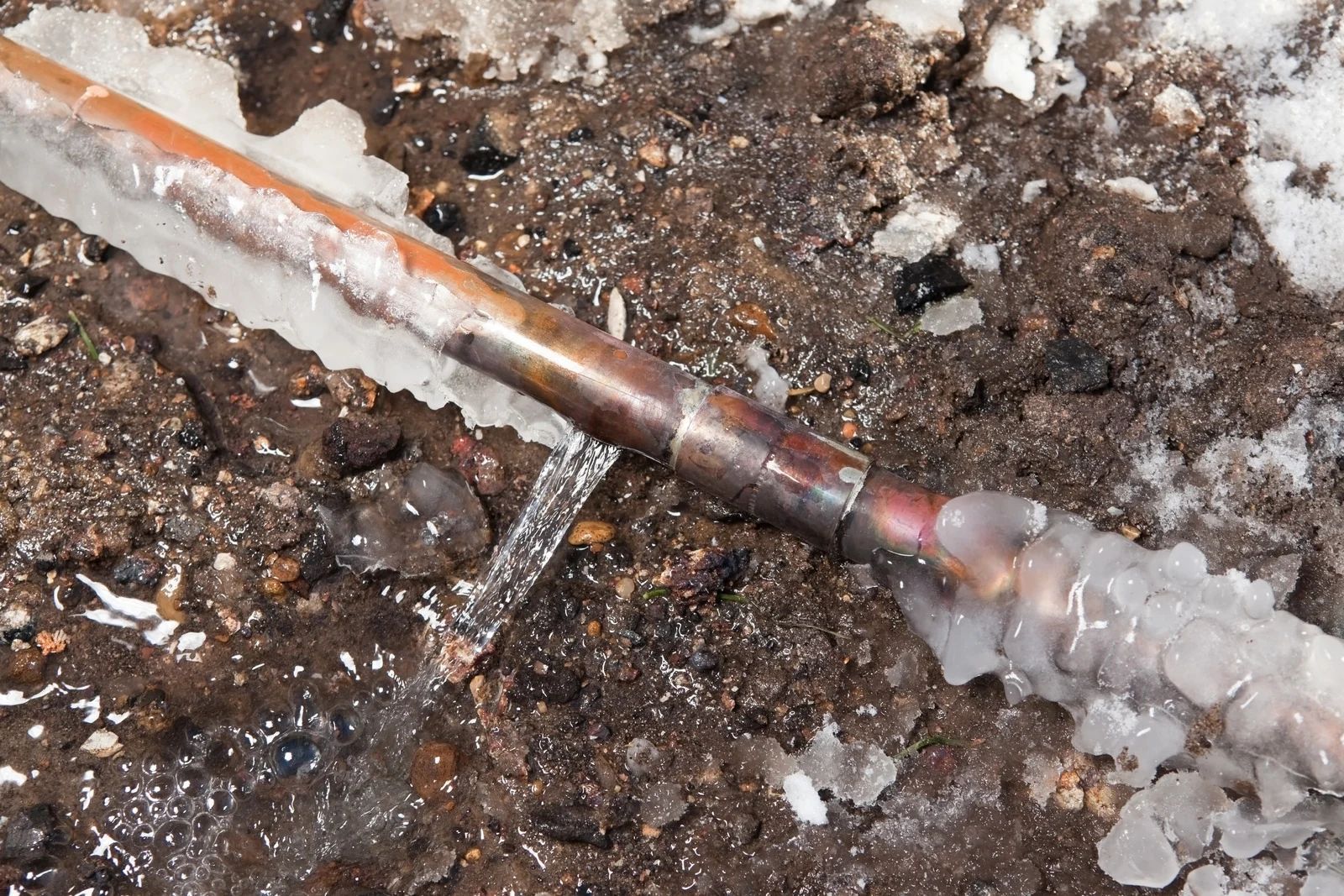
Water grows in volume as it freezes. Inside a pipe, a plug of ice forms first at the coldest spot.
Pressure Builds Between The Ice And The Faucet
The ice itself usually does not split the pipe at the frozen spot. Instead, as the ice grows, it pushes water toward the closed faucet downstream. With nowhere to go, pressure rises in that trapped section until the pipe gives way, often at a point that never froze at all.
Damage Shows Up Later
Because the split happens while the line is frozen solid, you often do not see a leak until the ice melts. That is why burst pipes so often announce themselves on the first warm afternoon after a cold snap.
Where Pipes Freeze in Massachusetts Homes
Older New England homes have plenty of spots where water lines run close to the cold.
Exterior Walls
Kitchen and bathroom sinks on outside walls are the classic trouble spots, especially in older homes with little or no wall insulation.
Unheated Spaces
Basements with stone foundations, crawl spaces, attached garages, and attics can drop well below freezing on a windy night. Pipes running through them are exposed even if the rest of the house is comfortable.
Rim Joists And Sill Plates
Where the house framing sits on the foundation, gaps and drafts let cold air pour in. Pipes running along the top of a basement wall near the rim joist freeze surprisingly often.
Outdoor Spigots And Irrigation
Hose bibs, sprinkler lines, and pool supply lines are the most exposed of all. A hose left connected over the winter traps water in the faucet and makes freezing far more likely.
Additions And Renovated Areas
Plumbing in a newer addition or a converted porch sometimes runs through spaces that were never insulated to the same standard as the original house.
Fall Preparation: What to Do Before the First Hard Freeze
The best time to protect your plumbing is October or early November, before temperatures stay below freezing.
Shut Off And Drain Outdoor Faucets
Disconnect garden hoses, close the indoor shutoff valve that feeds each outdoor spigot, and open the outside faucet to let it drain. Leave it open for the winter. Frost free sillcocks still need the hose disconnected to drain properly.
Insulate Exposed Pipes
Foam pipe sleeves are inexpensive and easy to install on accessible lines in basements, crawl spaces, and garages. Pay special attention to pipes near exterior walls and windows.
Seal Drafts Near Plumbing
Look for gaps where pipes and wires pass through the foundation or exterior walls, and around basement windows and dryer vents. Caulk or foam those gaps so cold air cannot blow directly across water lines.
Know Your Main Shutoff
Find the main water shutoff valve, usually where the water line enters the basement, and make sure it turns. Label it. If a pipe bursts, shutting the water off fast is the single biggest factor in how much damage you end up with.
Tip: Take a photo of your main water shutoff and the outdoor faucet valves and save it on your phone. Anyone in the house, or a neighbor checking on things while you travel, can find them in a hurry.
Your Heating System Is Your First Line of Defense
Most frozen pipes trace back to a house that got colder than expected. That makes your heating system as important as the plumbing itself.
Keep The Temperature Steady
Deep overnight setbacks save a little energy but let walls and basements cool down. During a hard cold snap, keep the thermostat at a consistent comfortable setting day and night.
Get The Furnace Or Heat Pump Checked Before Winter
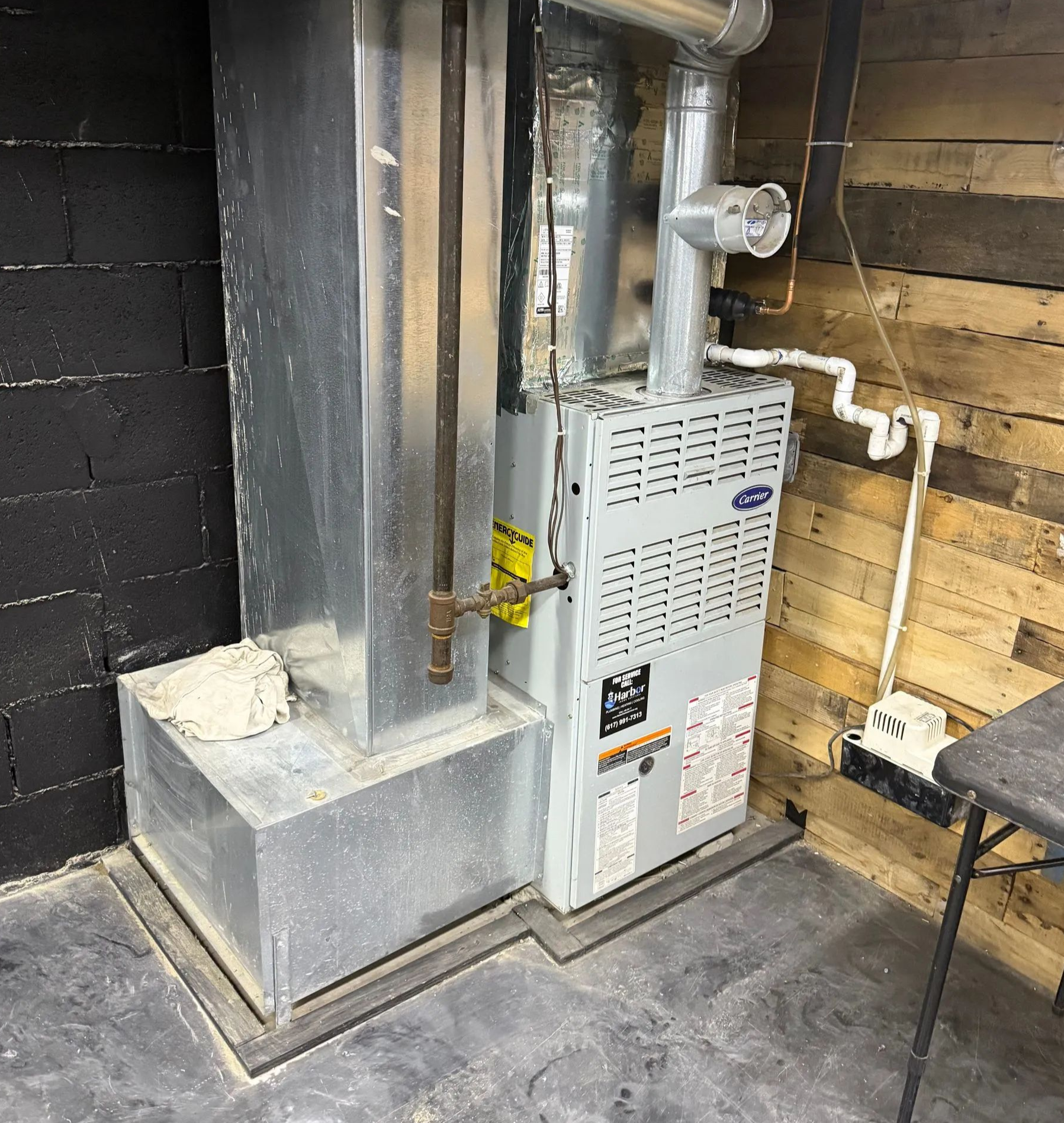
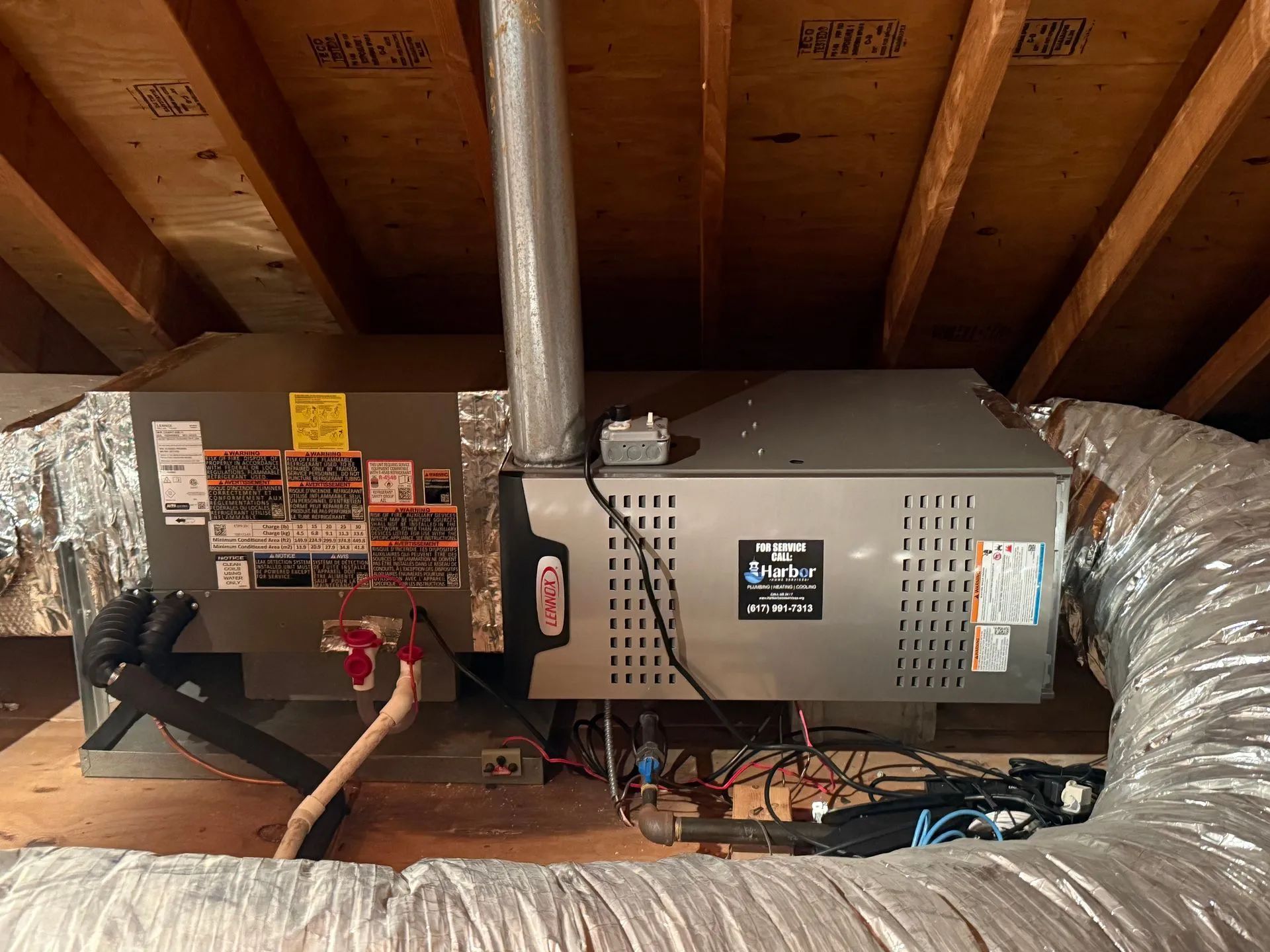
A heating system that fails at two in the morning in January leaves your pipes unprotected within hours. A fall tune up catches worn igniters, dirty flame sensors, failing blower motors, and other problems before they leave you without heat.
Do Not Shut The Heat Off When You Travel
If you leave home in winter, keep the heat on at a moderate setting and ask someone to check the house. A smart thermostat or a low temperature alert can warn you if the heat stops working while you are away.
Watch For Cold Rooms
If one room is always colder than the rest, the pipes in that room are at higher risk. Airflow problems, closed registers, or undersized ductwork are worth fixing before the deep cold arrives.
What to Do During a Cold Snap
When the forecast calls for temperatures in the teens or lower, a few extra steps protect the most vulnerable lines.
Open Cabinet Doors
Opening the doors under sinks on exterior walls lets warm room air reach the pipes.
Let A Faucet Drip
A slow drip from a faucet served by a vulnerable pipe keeps water moving and relieves pressure in the line. Use both hot and cold if the faucet has two handles.
Close Garage Doors
If water lines run through an attached garage, keep the doors closed as much as possible.
Keep Interior Doors Open
Letting heat circulate through the whole house helps prevent cold pockets in back bedrooms and bathrooms.
Signs a Pipe Has Frozen
Catching a frozen pipe early gives you the best chance of thawing it before it splits.
Little Or No Water
A faucet that slows to a trickle or stops entirely on a cold morning is the most common sign.
Frost On The Pipe
Exposed pipes in a basement or crawl space may show frost or feel ice cold to the touch.
Odd Smells Or Sounds
Drains that smell unusual or a toilet that will not refill can also point to a frozen line.
How to Safely Thaw a Frozen Pipe
If you find a frozen pipe and it has not burst, you can often thaw it safely.
Open The Faucet
Keep the faucet fed by the frozen line open. As the ice melts, flowing water helps melt the rest and relieves pressure.
Apply Gentle Heat
Use a hair dryer, a heating pad, or warm towels wrapped around the pipe. Start closest to the faucet and work back toward the frozen section. Keep warming until full water pressure returns.
Check Every Faucet
If one pipe froze, others may have too. Test faucets throughout the house.
Warning: Never use a torch, open flame, or a propane or kerosene heater to thaw a pipe. Open flames can ignite framing hidden behind the pipe, and fuel burning heaters in enclosed spaces can produce dangerous fumes. If you cannot reach the frozen section, call a plumber instead.
If a Pipe Bursts
Speed matters more than anything else once water starts flowing.
Shut Off The Main Water Valve Immediately
Then open faucets to drain the remaining water from the system.
Turn Off Power To Wet Areas If It Is Safe
If water is near outlets, panels, or appliances, shut off the electricity to those areas at the breaker, but only if you can reach the panel without standing in water.
Call For Help And Document The Damage
Take photos for your records and call a plumber to repair the pipe and check for other weak spots before the water goes back on.
Frequently Asked Questions
At what temperature do pipes freeze?
Pipes in unheated or poorly insulated spaces can start to freeze once outdoor temperatures fall into the low twenties or below, especially with wind. How quickly they freeze depends on insulation, drafts, and how long the cold lasts.
Should I let my faucets drip at night?
On the coldest nights, a slow drip from faucets served by vulnerable pipes helps. Moving water is less likely to freeze, and an open faucet relieves pressure if ice does form.
Does pipe insulation actually prevent freezing?
Insulation slows heat loss and buys time, but it does not add heat. It works best combined with sealing drafts and keeping the house at a steady temperature.
What temperature should I keep my house at when I travel in winter?
Keep the heat on at a moderate setting rather than turning it off, and have someone check on the house. The goal is to keep every room, including the basement, comfortably above freezing.
Can a frozen pipe thaw on its own?
It can once temperatures rise, but waiting increases the chance of a burst. Thawing it gently and early, with the faucet open, is safer than letting the pressure build.
How do I know if a pipe burst inside a wall?
Look for water stains, bubbling paint, damp drywall, or a sudden drop in water pressure. A running water sound when all fixtures are off is another sign. Shut off the main valve and call a plumber.
Keeping Your Pipes Safe Through Every Cold Snap
Frozen pipes are among the most common and most preventable winter emergencies in Massachusetts homes. A little preparation in the fall, a heating system you can count on, and a few simple habits during cold snaps keep most houses dry all season. Insulating exposed lines, sealing drafts, and knowing where the main shutoff sits turns a stressful forecast into an ordinary night. Small steps taken early protect walls, floors, and belongings.
Harbor Home Services
has cared for plumbing and heating in Framingham, MA for 10
years, and the same team can look at exposed pipes and the furnace or heat pump that keeps them warm. Checking vulnerable lines, outdoor faucets, and heating equipment together means weak spots get fixed on a calm schedule instead of during a midnight emergency. With that groundwork in place, the house stays comfortable and dry through the coldest weeks, and winter feels far less worrying.