Why Is My Furnace Blowing Cold Air? Common Heating Problems in Massachusetts Homes
October 31, 2026
Quick Answer: When a furnace blows cold air, the cause is usually one of a short list. The thermostat fan may be set to ON instead of AUTO, so the blower runs between heating cycles. The burners may not be lighting because of an ignition problem, a dirty flame sensor, or a gas supply issue. A clogged filter can overheat the furnace and trip the high limit switch, which shuts the burners off while the blower keeps running. High efficiency furnaces can also lock out over a blocked condensate drain or a frozen vent pipe, and heat pumps briefly blow cooler air during defrost. Start with the thermostat and filter, then call a technician if the cold air continues.
It is the first truly cold morning of the season. You nudge the thermostat up, hear the blower kick on, and hold your hand over the floor register expecting a wave of warmth. Instead you get a steady stream of air that feels no warmer than the hallway. The system is clearly doing something, but it is not making heat.
That moment is different from a furnace that runs and runs while the house slowly falls behind. Here the problem is right at the vent: the air itself is cold. In our experience across Framingham, Natick, Newton, and the rest of Metro West, that symptom points to a fairly specific set of failures, and several of them you can rule out yourself in a few minutes. This guide walks through what we would check, in roughly the order we would check it.
First, Make Sure the Air Is Actually Cold
Before you go hunting for a broken part, it helps to know what "cold" means at your registers.
Give The System A Few Minutes
A gas furnace does not send hot air the instant it starts. The inducer motor runs first, then the igniter heats, the burners light, and the heat exchanger warms up before the blower starts. If the blower comes on right away and the air feels cool for the first minute, that can be normal.
Compare To Room Temperature
A furnace in good shape usually delivers air that feels clearly warm on your hand, noticeably warmer than the room. If it feels about the same as the room or cooler, something is keeping the burners off or shutting them down early.
Notice The Pattern
Air that is cold all the time, air that starts warm and turns cold, and air that is cold only for short stretches each point to different causes. Keep that pattern in mind as you read the sections below.
The Thermostat Fan Setting Is the Most Common Surprise
This is the first thing we look at on a no heat call, and it explains a surprising number of them.
ON Versus AUTO
Most thermostats have a fan setting with two choices. On AUTO, the blower runs only while the furnace is heating. On ON, the blower runs all the time, whether the burners are lit or not. Between heating cycles, that fan pushes unheated air through the ducts, and on a cold day the air passing through ductwork in a basement or attic can feel downright chilly at the vent.
Mode And Setpoint
Confirm the thermostat is in HEAT, not COOL or OFF, and that the setpoint is a few degrees above the current room temperature. After a season of air conditioning, it is easy to forget the mode was never switched back.
Batteries And Wiring
A thermostat with weak batteries can display normally yet fail to call for heat reliably. If the screen is dim or blank, replace the batteries first. A smart thermostat that recently lost power or WiFi may also have reverted to a schedule you did not expect.
Tip: Switch the fan to AUTO and wait one full cycle. If the cold drafts between cycles stop and the air is warm while the burners run, the furnace is fine and the setting was the whole problem.
When the Burners Never Light
If the blower runs but the burners never come on, the air will stay cold no matter how long you wait. On modern furnaces, a short ignition sequence has to succeed every single time.
Ignition Trouble
Most newer furnaces use a hot surface igniter, a small element that glows bright orange to light the gas. These elements are brittle and wear out over time. When one cracks, the furnace tries to start, fails, and often retries a few times before locking itself out. Older furnaces may use a standing pilot light, which can go out because of a draft, a weak thermocouple, or a dirty pilot assembly.
Gas Supply
Check that the gas valve near the furnace is in the open position and that other gas appliances in the house are working. If none of them work, the issue is upstream of the furnace and your gas utility should be your first call.
Safety Switches
Furnaces have a door switch that keeps the unit from running when the blower compartment cover is loose. If someone recently changed the filter and did not seat the panel firmly, the furnace may not run properly.
A Dirty Flame Sensor Can Shut the Burners Off in Seconds
This one causes the classic pattern of a burst of warmth followed by cold air.
What The Sensor Does
The flame sensor is a thin metal rod that sits in the burner flame. It confirms to the control board that the gas actually lit. If the board cannot detect a flame within a few seconds, it closes the gas valve to keep unburned gas from building up.
Why It Fails
Over a few heating seasons, the rod picks up a light coating of oxidation and residue. That coating weakens the signal. The burners light, the board fails to read the flame, and it shuts the gas off. The blower may still run to cool the heat exchanger, so you feel cool air even though the furnace technically tried to heat.
What You Will Notice
Short bursts of flame, repeated restart attempts, and eventually a lockout. Many control boards also flash a diagnostic code through a small window on the furnace panel. Write that code down before you call. It saves time on the visit.
Overheating and the High Limit Switch
Here is a cause that surprises a lot of homeowners: a furnace can blow cold air because it got too hot.
Restricted Airflow
A clogged filter, closed or blocked registers, or a failing blower motor all reduce the air moving across the heat exchanger. Heat builds up inside the cabinet faster than the blower can carry it away.
The Limit Switch Steps In
When the temperature inside the furnace passes a safe point, the high limit switch cuts the burners. The blower keeps running to cool things down, and that is the air you feel at the vents. Once things cool, the burners may relight, and the cycle repeats. Air that alternates between warm and cold is a strong hint that this is happening.
Start With The Filter
Pull the filter and hold it up to a light. If you cannot see light through it, replace it. In Massachusetts homes that run the heat hard from November through March, a basic filter often needs changing more often than people expect, especially with pets or a renovation project nearby.
Warning: A furnace that trips its limit switch over and over is telling you something is wrong. Repeated overheating stresses the heat exchanger, and a cracked heat exchanger can allow combustion gases into your airflow. If replacing the filter does not stop the cycling, shut the system down and have it inspected.
High Efficiency Furnaces Have Their Own Failure Points
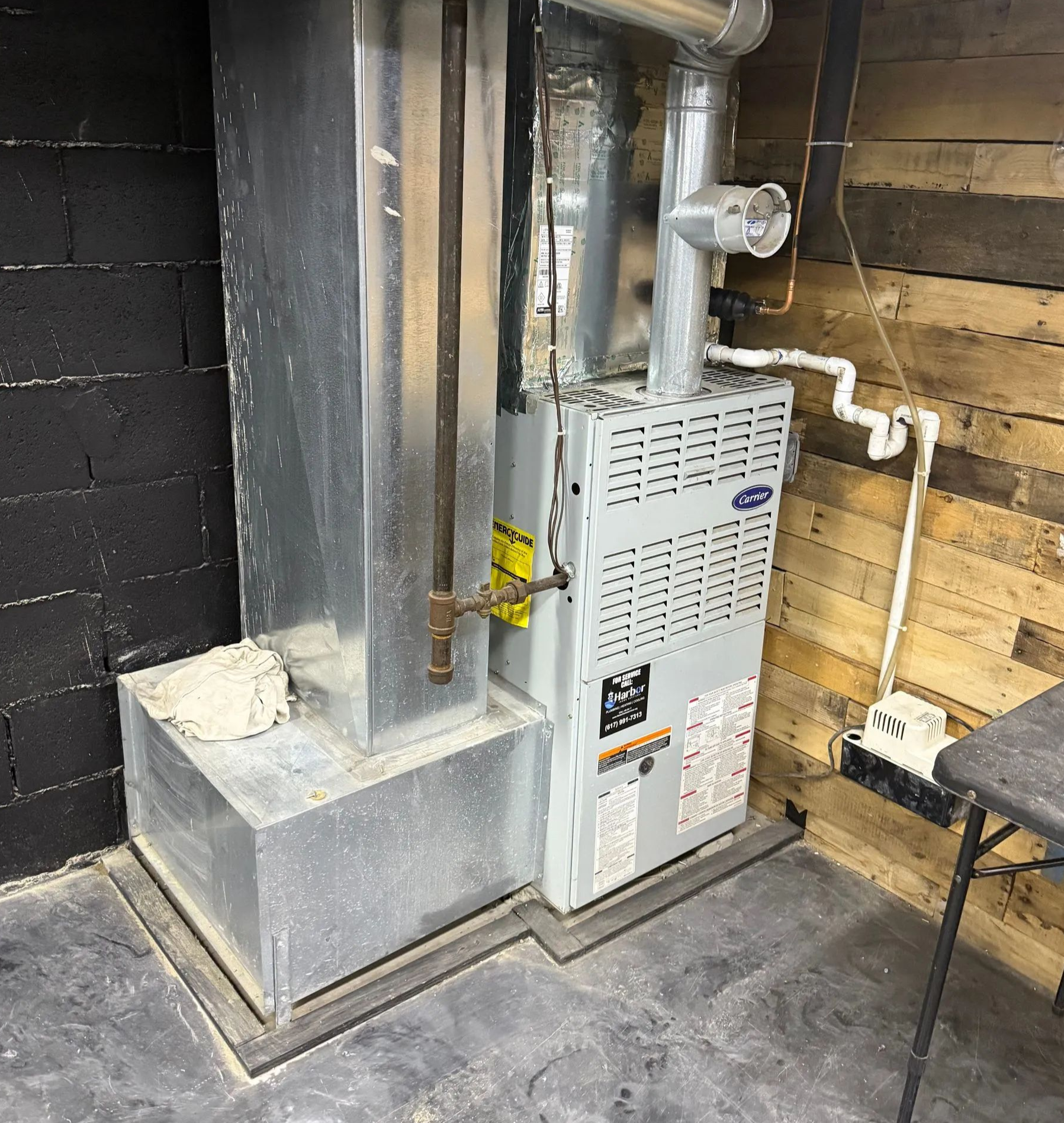
Many Metro West homes have high efficiency condensing furnaces, the kind with white plastic vent pipes running out the side of the house. These units pull so much heat out of the exhaust that they produce water, and that water has to go somewhere.
Blocked Condensate Drain
Condensate runs through a small trap and drain line, often to a floor drain or a condensate pump. If that trap clogs with sludge, or the pump fails, water backs up and a pressure switch or float switch shuts the burners down. The blower may still run, sending cold air into the house.
Frozen Or Blocked Vent Pipes
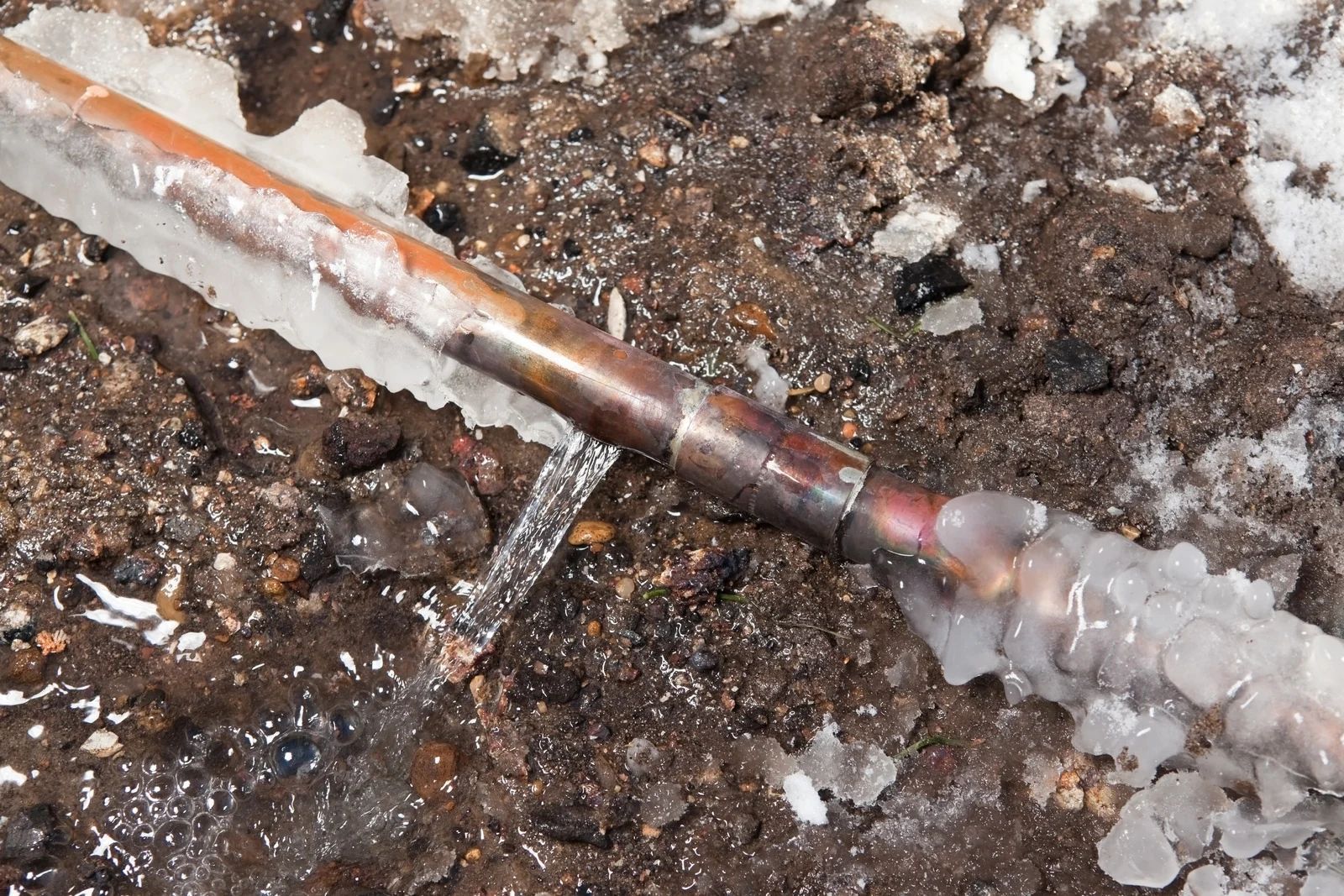
During a hard New England cold snap, condensation can freeze at the end of the exhaust or intake pipe, and snow drifts can bury low terminations entirely. When the furnace cannot vent, the pressure switch prevents it from firing. After a storm, take a look outside and gently clear any snow or ice from around the pipe openings.
Gurgling Or Dripping
If you hear water gurgling inside the furnace or see water near its base, mention it when you call. Those clues point straight at the condensate system.
Heat Pumps Blow Cooler Air on Purpose Sometimes
If your home is heated by a heat pump, cooler air at the vents is not always a fault.
Normal Supply Temperature
Heat pumps deliver air that is warm but not as hot as a gas furnace. To your hand it can feel lukewarm, even though the system is moving plenty of heat into the house. If rooms hold temperature, the system is likely working as designed.
Defrost Mode
In freezing weather, frost builds up on the outdoor coil. Periodically the heat pump reverses itself for a few minutes to melt that frost, and during that cycle the indoor air can feel cool. You may also see steam rising from the outdoor unit. Many systems turn on backup heat during defrost to soften this, so a brief cool spell is normal.
When It Is Not Normal
If the outdoor unit is encased in ice, the fan is not spinning, or the air stays cool for long periods, the system may have a defrost control, sensor, or refrigerant problem. Clearing heavy snow from around the outdoor unit helps, but persistent icing needs a technician.
Ductwork Can Cool the Air Before It Reaches You
Sometimes the furnace makes perfectly good heat, and the ductwork loses it on the way.
Leaky Or Disconnected Ducts
A duct joint that separated in a crawl space or an unheated attic can dump warm air where it does no good while drawing cold air into the system.
Uninsulated Runs
Long duct runs through unheated spaces lose a lot of heat, especially on the far end of the house. If only one or two rooms get cold air while the rest are warm, the ductwork is a likely suspect rather than the furnace.
What You Can Safely Check Yourself
Before you call, a few simple steps can either solve the problem or give your technician a head start.
Run Through This List
Set the thermostat to HEAT and the fan to AUTO, replace the batteries if needed, and confirm the furnace power switch is on. Replace a dirty filter. Open closed registers. Check outdoor vent pipes and the heat pump unit for snow and ice. Note any blinking code on the furnace control board.
Leave The Rest To A Professional
Flame sensor cleaning, igniter replacement, limit switch testing, gas valve work, and condensate system repair all involve electrical components and gas controls. If you smell gas at any point, leave the house and call your gas utility from outside.
Frequently Asked Questions
Why does my furnace blow cold air and then warm air?
Short warm spells followed by cold air usually mean the burners shut off early. Common causes are a dirty flame sensor, a tripped limit switch, or a condensate problem, while the blower keeps running.
Is it normal for a furnace to blow cold air when it first turns on?
A few seconds of cool air at startup can be normal, since the ducts hold room temperature air. If cold air continues beyond a couple of minutes, something else is going on.
Can a dirty filter make my furnace blow cold air?
Yes. A clogged filter restricts airflow, the furnace overheats, and the limit switch shuts off the burners while the blower runs. Replacing the filter is the easiest first step.
Why does my heat pump blow cold air in winter?
Heat pump air feels cooler than furnace air, and defrost mode briefly sends cool air indoors. If it lasts long or the outdoor unit is iced over, have the defrost controls checked.
What does a blinking light on my furnace mean?
Most modern furnaces flash a diagnostic code through a small window on the access panel. The blink pattern matches a chart inside the door and can point to ignition or limit switch issues. Note it for your technician.
Is it safe to keep running a furnace that blows cold air?
If the cause was a dirty filter you just replaced, yes. If the furnace keeps cycling, shows a lockout code, or you notice a gas smell, turn it off and have it inspected.
Getting Warm Air Back to Every Room
Cold air from the vents is frustrating, but it rarely stays a mystery once someone follows the heating sequence step by step. Often the cause is a thermostat setting or a dirty filter, and sometimes it is a worn igniter, a coated flame sensor, or a blocked condensate line that needs a trained eye. Checking the simple items first saves time and worry. Knowing which stage of the cycle failed turns a cold morning into a quick, clear repair.
Harbor Home Services
has repaired
furnaces
and heat pumps in Framingham, MA for 10
years, and each visit tests every stage of the heating cycle so the failed part is clear to the homeowner. Explaining what stopped the heat, and why, lets owners decide on repairs with full information. With the system running properly again, warm air returns to every register, the house stays comfortable through the coldest weeks, and winter mornings feel far less stressful.